
Concert Pictures That Transform Local Gigs Into National Recognition
September 3, 2025
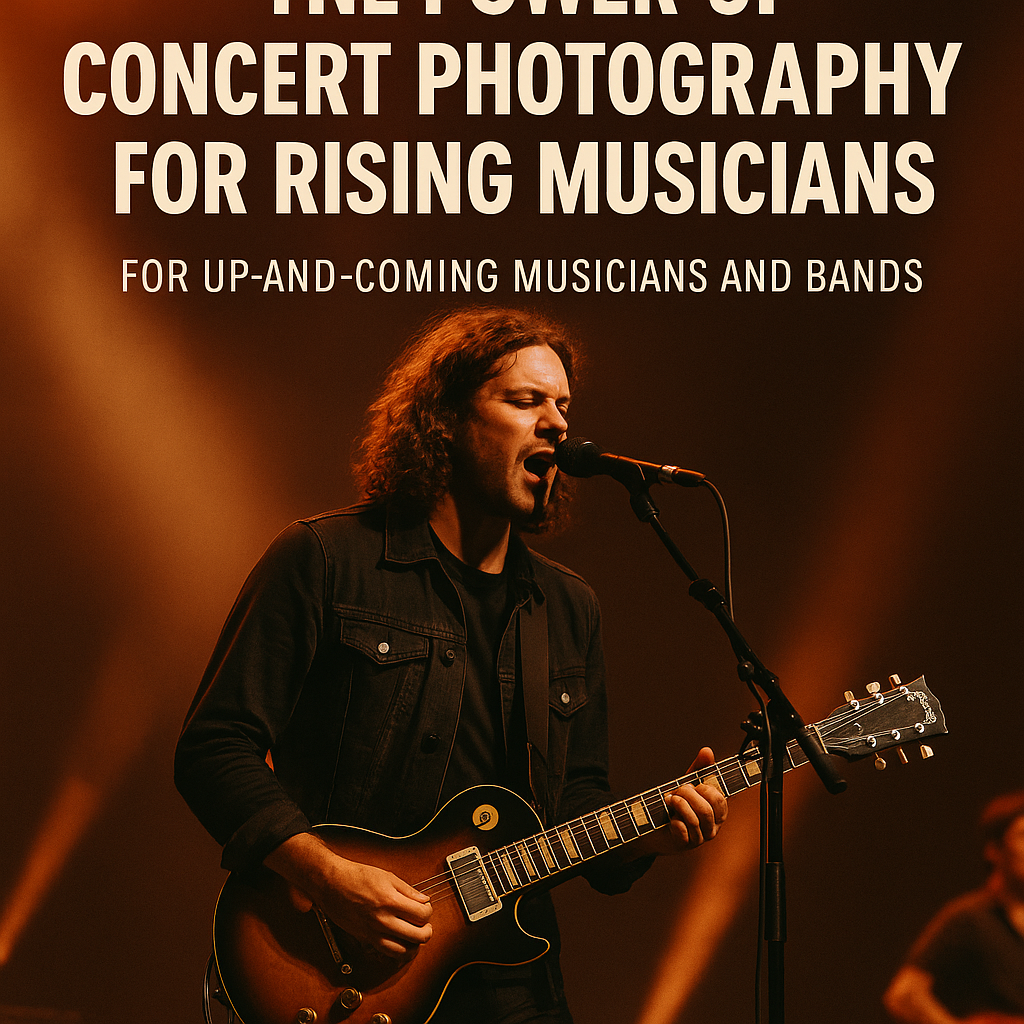
The Power of Concert Photography for Rising Musicians
For up-and- coming musicians and bands, the leap from local shows to national stages often comes down to visibility. Professional concert photography provides that visibility by delivering powerful images that showcase energy, talent, and stage presence. Without strong concert pictures, opportunities for press, PR, and sponsorships disappear quickly. The urgency is clear: every week without quality visuals is another lost chance to get noticed.Why Concert Pictures Are Essential for Growth
A single concert photo has the ability to tell a story that words cannot. Whether it’s the emotion in a singer’s face or the energy of a full crowd, professional photographers know how to capture the essence of live music. Bands that invest in strong photos can use them across press kits, social media, and promotional campaigns. This investment directly translates into bigger opportunities and long-term career growth.The Role of a Music Photographer
A skilled music photographer is more than someone with a camera—they’re a storyteller. They use their understanding of light, timing, and camera settings to create great images that elevate an artist’s reputation. For rising artists, partnering with a professional means your work is consistently documented in a way that appeals to booking agents, fans, and the media. Without one, even your best performances risk bein g forgotten.Working With Professional Concert Photographers
Not all photos ar e created equal. Concert photographers bring experience, technical expertise, and the right camera gear to the pit. They know how to handle the challenges of flash photography, restricted space, and unpredictable light. By trusting a professional photographer, bands ensure their concert photos are not just snapshots, but assets that fuel their growth.The Photo Pit Advantage
Access to t he photo pit is a game-changer. It allows photographers to shoot at the perfect angle, avoid interference from the crowd, and work closely with security guards and venues. With a photo pass, the chances of producing polished concert photos skyrockets. These are the kinds of images that get picked up by blogs, magazines, and industry platforms, giving bands a chance to shine beyond their city.From Small Venues to National Recognition
Mos t venues don’t realize how much professional photography impacts both the performers and their own promotion. Concert pictures taken in small clubs can look as powerful as those from arenas when shot correctly. Those visuals help bands book larger gigs, get attention from labels, and even open for acts like the Black Keys. The step from local recognition to national coverage starts with consistent, professional visuals.How Concert Photos Build an Artist’s Brand
Every artist ha s a brand, and strong photos are central to how that brand is perceived. High-quality concert photography highlights your passion, your talent, and your ability to stand out on stage. These photographs define your art in the eyes of fans and industry professionals alike. Skipping professional photos means missing the chance to present yourself as an artist ready for the next level.The Process Behind Great Concert Photography
Behind every iconic concert photo is a process. It begins with preparation—choosing the right camera body, lenses, and understanding the sensor limits for low light conditions. During the shoot, the photographer adapts to the performance, adjusting to unpredictable stage lighting and movement. In post-production, tools like Adobe Lightroom bring out the best in the images. This attention to detail is what separates average photos from amazing ones.The Passion of Music Photography
Great music photography is fueled by passion—the same passion that drives musicians to write songs and perform. As music lovers themselves, professional photographers understand how to channel that emotion into photos. The result is a set of concert photos that feels alive, energetic, and authentic. Without that passion behind the camera, the energy of your performance will never translate visually.Building Long-Term Visibility With Concert Pictures
One strong shoot won’t sustain a growing band forever. To build real recognition, you need professional concert photographers documenting your shows on a regular basis. This creates a consistent flow of images you can use for media coverage, social posts, and press kits. Bands that start building this library early position themselves as serious artists in the eyes of labels and fans.How to Decide on the Right Photographer
Choosing a music photographer is a critical decision. Look for someone with experience shooting concerts, access to most venues, and the ability to handle difficult lighting conditions. The best photographers are flexible, professional, and understand both the art and the business of music photography. There’s a good reason why successful bands keep a consistent photographer by their side.Concert Photography as a Tool for Marketing
You r concert photos aren’t just for memories—they’re a powerful marketing tool. Use them to create press kits, design album covers, and engage fans online. When you have amazing pictures, you can repurpose them across every platform to maintain visibility. Without these assets, your brand lacks consistency and impact.From the Photo Pit to Social Media
A strong shoot doesn’t end when the show does. Posting professional concert photos immediately after a performance builds momentum and keeps fans engaged. Every post is an opportunity to reach new listeners and impress industry insiders. This is how concert photography turns local buzz into national coverage.
The Camera Behind the Magic
Behind every powe rful image is the right camera and the expertise to use it. Professionals know how to maximize the potential of a sensor, select the right lenses, and adapt settings to challenging light conditions. They know when flash can be used effectively and when it must be avoided. Mastering the technical side ensures every shoot results in great images that highlight your talent.Music Photography as an Art Form
Music photography is more than documentation—it’s art. Each image blends the passion of the performer with the skill of the photographer. For artists hoping to break through, these photos become part of their artistic identity. They not only show who you are but also who you aspire to be in the larger world of music.Finding the Right Focus and Standing Out Online
When it com es to SEO, the goal is the same as in photography—achieving the perfect focus so your brand is clear to potential clients. Think of SEO as the background that supports your story, while your services take center stage. Just as other photographers may spend hours adjusting a Nikon lens or experimenting with portraits to bring an idea to life, accountants need to refine their keywords, content, and site structure until everything lines up at the right point. Without this clarity, your message gets lost in the noise, and building visibility can feel like hell in competitive markets. The cool thing is, once your SEO is fine-tuned and consistently playing to your strengths, your business begins to attract the clients you’ve been waiting for.Book Professional Concert Photography That Moves You Forward
Your performa nces deserve more than blurry snapshots—they deserve professional concert pictures that elevate your brand and open doors. At Masterly Studios, our experienced music photographers know how to capture the energy of the stage and deliver amazing content you can use across press kits, social media, and PR campaigns.We’ve helped bands, artists, and venues across the country showcase their passion through unforgettable photos. We work nationally, and our photographers are ready to make your next shoot the one that transforms your local gig into national recognition.
Contact us at 469-902-9919 to book a free cons ultation and start building the visibility your music deserves.
Recent Posts

By Angelie Te
•
August 15, 2026
Editorial Photography: How Story-Driven Images Support Brands, Publications, and Campaigns If your brand publishes articles, runs awareness campaigns, or maintains a magazine or blog, you already know that generic visuals fall flat. Readers scroll past them. Editorial photography offers something different: images built around a story, designed to make people stop, read, and remember. This guide breaks down what editorial photography is, how it differs from commercial work, where brands and publications use it, and how to plan a shoot that delivers narrative-driven results across channels. What Is Editorial Photography (and Why It Matters for Your Brand Today) Editorial photography refers to images created to support a story, article, or concept in a publication-whether that publication is a print magazine, a newspaper, a brand blog, or any of the growing number of online publications producing long-form content. The focus is on storytelling rather than selling products. Unlike stock photography, which provides generic visuals, editorial work is purpose-built to illustrate a specific narrative. This is distinct from corporate headshots, product shots, or basic branding visuals. Those assets serve important roles, but editorial photographs add narrative depth-they turn abstract ideas like sustainability, innovation, or community into human-centered stories that readers connect with emotionally. Editorial photography is often more subjective and creative than photojournalism, which is a type of photography focused on documenting real-time events. While photojournalism reports facts, editorial images interpret themes, weaving narrative through deliberate visual choices. The business case is straightforward. In surveys, roughly 46% of senior marketing executives say photography is "critical" to their storytelling efforts, and research shows that articles using strong visual storytelling can increase time-on-page by 30–50% compared with text-only content. That translates to better PR pickup, stronger campaign memorability, and deeper audience engagement. In the sections ahead, you'll learn where editorial style images fit in modern marketing, how an editorial photographer works alongside brands and editors, and how to plan a story-driven shoot from brief to delivery.

By Angelie Te
•
August 14, 2026
Why Environmental Portraits Matter for Modern Brands A studio headshot isolates a person against a neutral backdrop. An environmental portrait does the opposite: it places the subject in a real location, whether that's an engineering lab, a restaurant kitchen, or a warehouse floor, and lets the surroundings carry part of the story. Environmental portraits show subjects in their natural surroundings, revealing context, identity, and profession in a single frame. The reader problem is simple. Generic studio portraits feel interchangeable. A SaaS founder standing in a white sweep looks identical to every other founder on every other About page. Swap the background for that founder's product war room, with roadmap sketches on the wall and a prototype on the desk, and the image communicates something specific: who this person is, what they build, and how they think. Environmental portrait photography builds trust on About pages, pitch decks, LinkedIn profiles, and recruiting campaigns by showing real people in real workplaces. Key aspects of environmental portraits include context, narrative, authenticity, and compositional balance. This article covers leadership portraits, workplace portraits, and team photography in actual work environments. Masterly Visuals specializes in this kind of on-location photography. If you want to skip ahead, you can request a commercial portrait consultation at any time.

By Amber Aniston
•
August 12, 2026
Discover what commercial photography is, its key types, and how businesses use it to boost sales, recruit talent, and build brand identity. Learn how to plan a commercial image library with Masterly Visuals for consistent, high-quality visuals across all marketing channels.

By Angelie Te
•
August 8, 2026
Video marketing is essential in today's fast-moving real estate market, and commercial properties demand more from it than a simple home tour. This guide covers what real estate videography looks like when the asset is an office tower, logistics warehouse, retail center, or 200-key hotel - and why the discipline requires a fundamentally different approach than filming a family home. Below, you will find a practical breakdown of planning, shooting, editing, and deploying commercial property video to reach tenants, investors, and brand users who make decisions based on movement, scale, and location.

By Angelie Te
•
August 6, 2026
Why Brand Architecture Matters for Multi-Brand Founders Picture a founder in 2026 running a holding company with four entities: a SaaS platform, a consulting services arm, a recently acquired logistics startup, and a small media brand. Each has its own name, its own website, and its own sales deck. Prospects regularly ask, "Are these the same company?" The sales team at the SaaS platform has started describing the consulting arm as a competitor. The logistics acquisition still carries its old branding, and nobody has decided whether it should. This is a brand architecture problem. Brand architecture is the strategic framework that organizes a company's portfolio of brands, products, and services and defines both visible and invisible relationships among parent, sub, and sibling brands. It determines which names show up where, which logos appear on which materials, and how customers, investors, and employees understand your ecosystem. For founders, holding-company leaders, and multi-brand operators, brand architecture matters because it shapes customer clarity, acquisition integration speed, marketing efficiency, hiring narratives, and exit optionality. Poor brand architecture can lead to customer confusion and poor performance across every entity in the portfolio. This article covers the core brand architecture models (branded house, house of brands, endorsed, hybrid), how to choose and evolve a structure, and how to protect brand equity as your portfolio grows. What Is Brand Architecture? (Fast, Founder-Friendly Definition) Understanding brand architecture starts with a simple idea: it organizes how all the brands in your portfolio relate to each other and show up in the market. Brand architecture defines relationships between parent and sub-brands, covering everything from naming conventions and logo systems to messaging tone and website structure. It connects directly to your broader brand strategy, your brand positioning for each entity, and your day-to-day brand management decisions. This is not a chart on a slide deck. It is a set of intentional decisions about where brands share equity and where they stay independent. A well-defined brand architecture brings clarity to customers, partners, and internal teams about what belongs together and what stands apart. The classic terms you will encounter are branded house, house of brands, endorsed brands, and hybrid brand architecture. Each represents a different way of structuring brand relationships within a portfolio. The main types of brand architecture are Branded House, House of Brands, and Endorsed Brands, with hybrid models blending elements of each.