
How a Professional Architectural Photographer Supports Commercial Leasing Goals
December 16, 2025
In today’s visually driven world, commercial leasing decisions often begin long before a site visit ever happens. Potential tenants, investors, and brokers first interact with a property through images on a website, brochure, or advertising campaign. A professional architectural photographer understands how to create visuals that do more than document space—they communicate value. At
Masterly Studios
, we approach architectural and commercial photography as a strategic tool that supports leasing goals and business growth.
Commercial properties compete for attention in crowded markets, especially among local businesses and national brands. When images fail to reflect quality, scale, or usability, leasing momentum slows. A skilled commercial photographer helps properties stand out by presenting spaces in a way that feels polished, intentional, and inviting. The right photography can directly influence interest, inquiries, and ultimately signed leases.
Commercial photography bridges the gap between physical space and digital marketing. Images are used across websites, print ads, brochures, and advertising materials. When done correctly, each photograph supports the leasing narrative and brand positioning. Photography becomes a silent salesperson working around the clock.
Unlike casual photography, professional architectural photography is planned with intent. Each shoot is focused on capturing images that support marketing and sales objectives. The photographer considers how images will be used across platforms. This alignment ensures consistency and impact.
Lighting is especially important indoors. Professional photographers use lighting techniques and editing software to balance natural and artificial light. This ensures accurate color, clean lines, and inviting atmosphere. Interior images often influence whether prospects schedule a tour.
Images are used across marketing channels, including websites, advertising campaigns, and social media. Consistent visuals reinforce brand recognition. When photography aligns with branding, properties feel cohesive and professional. This consistency builds trust with customers and prospects.
Professional commercial photography helps properties compete in crowded advertising spaces. Images must be clear, compelling, and informative. They should guide viewers toward action, whether that is booking a tour or requesting information. Effective photography supports sales and leasing goals simultaneously.
For commercial leasing, architectural photography is often combined with other styles. For example, food photography may be used for mixed-use spaces with restaurants. Portrait photography can highlight leadership or tenants. A versatile commercial photographer understands how these types work together.
Creating images with the audience in mind increases relevance. Images should reflect how the space supports business operations and customer experience. When photography resonates with viewers, engagement increases. This focus supports leasing efficiency and marketing effectiveness.
Many commercial photographers bring formal education or a photography degree to their work. Others develop expertise through years of commercial work and studio experience. The most successful commercial photographers combine technical skills with creativity. This balance produces reliable, high-impact results.
Editing also ensures images meet requirements for commercial use. Photos must perform well across websites, brochures, and advertising platforms. Proper post production supports branding and marketing goals. It ensures that images are ready to promote and sell.
High quality images help clients sell space faster and more effectively. They reduce uncertainty and answer questions visually. Photography becomes part of the sales strategy. When images are done right, they support making money through leasing success.
A commercial photographer understands the needs of small and mid-sized businesses. Photography is an investment that supports growth, marketing, and branding. When images perform well, businesses benefit from increased interest and engagement. Photography becomes a growth tool.
Commercial properties compete for attention in crowded markets, especially among local businesses and national brands. When images fail to reflect quality, scale, or usability, leasing momentum slows. A skilled commercial photographer helps properties stand out by presenting spaces in a way that feels polished, intentional, and inviting. The right photography can directly influence interest, inquiries, and ultimately signed leases.
The Role of Photography in Commercial Leasing
Commercial leasing relies heavily on perception and trust. Before prospects ever walk through a building, they form opinions based on photographs. High quality images help establish credibility and professionalism from the start. This visual foundation plays a critical role in how potential clients evaluate opportunities.Commercial photography bridges the gap between physical space and digital marketing. Images are used across websites, print ads, brochures, and advertising materials. When done correctly, each photograph supports the leasing narrative and brand positioning. Photography becomes a silent salesperson working around the clock.
How an Architectural Photographer Adds Strategic Value
An architectural photographer brings more than technical ability to a shoot. They understand how lighting, composition, and perspective affect perception. Their creative vision allows them to highlight features that matter most to leasing audiences. This includes layout flow, natural light, finishes, and scale.Unlike casual photography, professional architectural photography is planned with intent. Each shoot is focused on capturing images that support marketing and sales objectives. The photographer considers how images will be used across platforms. This alignment ensures consistency and impact.
Supporting Leasing With Exterior Architectural Photography
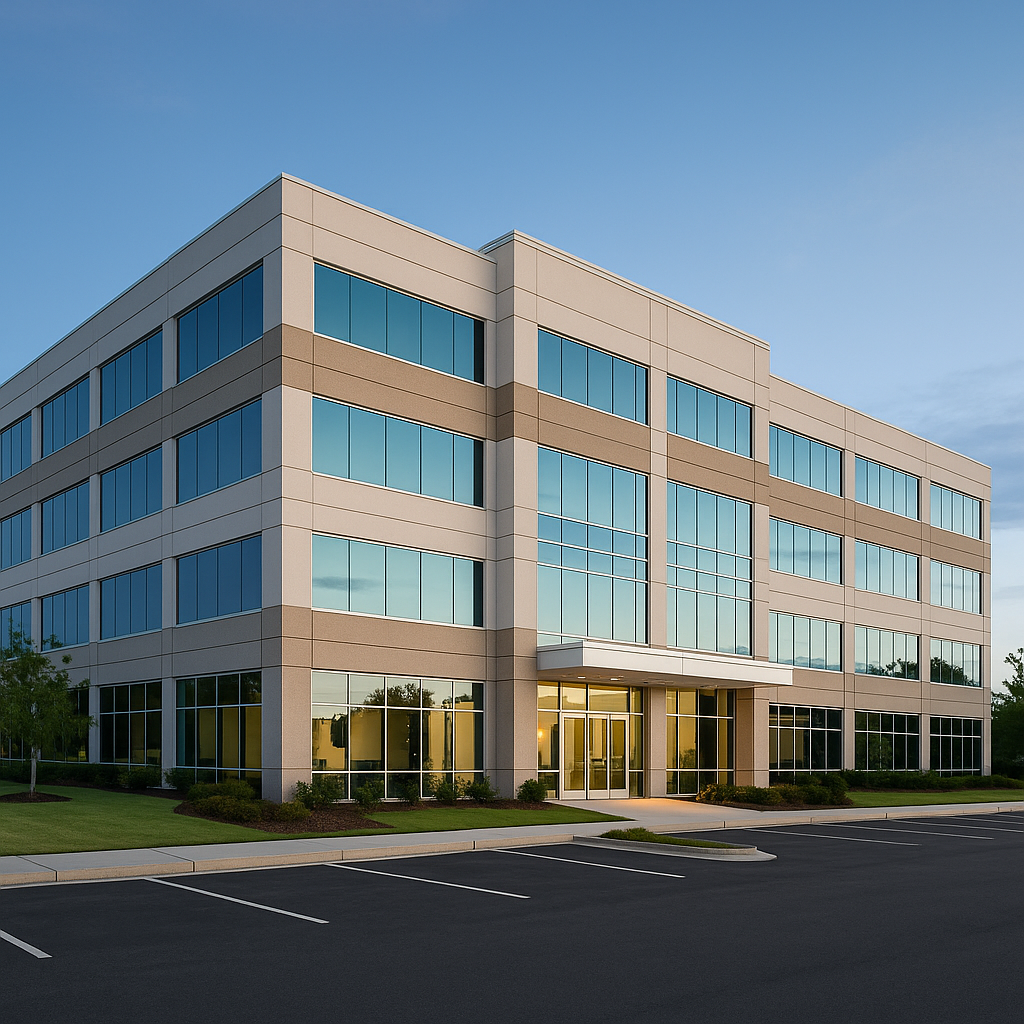
Exterior photographs are often the first images potential clients see. These photos set expectations and create first impressions. A professional commercial photographer knows how to shoot exteriors in the best light to emphasize design, location, and accessibility. Timing, weather, and camera settings all play a role. Exterior architectural photography helps convey stability and professionalism. It shows how a building fits into its surroundings and community. For local businesses and larger companies alike, this context matters. Strong exterior images build confidence before any further engagement.Interior Photography That Communicates Usability
Interior architectural photography focuses on how a space functions. Leasing prospects want to imagine their business operating within the environment. A skilled photographer captures layout, flow, and flexibility without distortion. These images help clients visualize real-world use.Lighting is especially important indoors. Professional photographers use lighting techniques and editing software to balance natural and artificial light. This ensures accurate color, clean lines, and inviting atmosphere. Interior images often influence whether prospects schedule a tour.
Aligning Photography With Branding and Marketing
Commercial leasing is closely tied to branding and marketing strategy. Images must align with the company’s identity and the client’s vision. A commercial photographer collaborates with clients to understand tone, style, and goals. This ensures that photography supports broader branding efforts.Images are used across marketing channels, including websites, advertising campaigns, and social media. Consistent visuals reinforce brand recognition. When photography aligns with branding, properties feel cohesive and professional. This consistency builds trust with customers and prospects.
Photography as a Tool for Advertising and Promotion
Advertising relies heavily on visual impact. Commercial images are essential for promoting properties across digital and print platforms. From print ads to online listings, photographs influence engagement and response rates. Strong images make advertising more effective.Professional commercial photography helps properties compete in crowded advertising spaces. Images must be clear, compelling, and informative. They should guide viewers toward action, whether that is booking a tour or requesting information. Effective photography supports sales and leasing goals simultaneously.
Understanding Different Types of Commercial Photography
Architectural photography is one of several types of commercial photography. Others include product photography, food photography, fashion photography, portrait photography, and sports photography. Each photography field serves a different purpose within business marketing. Understanding these differences helps clients choose the right service.For commercial leasing, architectural photography is often combined with other styles. For example, food photography may be used for mixed-use spaces with restaurants. Portrait photography can highlight leadership or tenants. A versatile commercial photographer understands how these types work together.
Creating Images That Speak to Target Audiences
Every commercial property has a target audience. These may include startups, corporate tenants, retailers, or service-based local businesses. A professional photographer tailors images to appeal to these groups. This includes framing, lighting choices, and image selection.Creating images with the audience in mind increases relevance. Images should reflect how the space supports business operations and customer experience. When photography resonates with viewers, engagement increases. This focus supports leasing efficiency and marketing effectiveness.
The Importance of Technical Skill and Experience
Technical proficiency separates professional photographers from amateurs. Knowledge of camera settings, lenses, lighting, and composition ensures consistent results. Editing skills and post production refine images without misrepresenting space. Color correction and careful editing maintain accuracy.Many commercial photographers bring formal education or a photography degree to their work. Others develop expertise through years of commercial work and studio experience. The most successful commercial photographers combine technical skills with creativity. This balance produces reliable, high-impact results.
Post Production and Editing as a Value Add
Post production is an essential part of commercial photography. Editing enhances clarity, corrects color, and ensures consistency across images. Professional editing software allows photographers to fine-tune details while preserving realism. This process adds polish and professionalism.Editing also ensures images meet requirements for commercial use. Photos must perform well across websites, brochures, and advertising platforms. Proper post production supports branding and marketing goals. It ensures that images are ready to promote and sell.
Helping Clients Sell Space and Opportunity
Commercial leasing is about selling opportunity, not just square footage. Photography helps tell that story visually. An image tells potential clients how their business could live and grow in the space. This emotional connection supports decision-making.High quality images help clients sell space faster and more effectively. They reduce uncertainty and answer questions visually. Photography becomes part of the sales strategy. When images are done right, they support making money through leasing success.
Supporting Local Businesses and Commercial Growth
Local businesses rely on strong visuals to compete with larger brands. Professional photography helps level the playing field. By presenting spaces professionally, local businesses gain credibility and visibility. This support strengthens the local commercial ecosystem.A commercial photographer understands the needs of small and mid-sized businesses. Photography is an investment that supports growth, marketing, and branding. When images perform well, businesses benefit from increased interest and engagement. Photography becomes a growth tool.
The Photographer’s Process and Collaboration
Successful commercial photography projects are collaborative. The photographer works closely with clients to understand goals, timelines, and expectations. Each project begins with planning and clear communication. This ensures alignment and efficiency. During the shoot, the photographer remains focused and adaptable. Lighting, set design, and composition are adjusted as needed. After the shoot, editing and delivery follow agreed timelines. This professional process builds trust and long-term relationships.
Building a Strong Portfolio for Commercial Leasing
A photographer’s portfolio reflects experience and range. Clients should review portfolios to understand style, quality, and consistency. A strong portfolio demonstrates capability across industries and projects. It provides examples of successful commercial photography.For leasing-focused photography, portfolios should show architectural detail and usability. Images should feel clean, inviting, and professional. Reviewing examples helps clients feel confident in their choice. The right portfolio signals reliability and expertise.
The Long-Term Value of Professional Photography
Professional photography is not a one-time expense. Images are used repeatedly across marketing channels. They support leasing efforts over time and across campaigns. This long-term value makes photography a smart investment. When properties update branding or marketing, professional images remain relevant. They adapt easily to new uses and platforms. Photography continues to work long after the shoot. This durability supports ongoing business goals.How Masterly Studios Supports Commercial Leasing
At Masterly Studios, we specialize in commercial photography that supports business and leasing objectives. Our studio brings together technical skill, creative vision, and strategic thinking. We focus on creating images that promote, sell, and build brand trust. Every project is tailored to client needs.We work with clients across industries and throughout the country. Our approach is focused, collaborative, and results-driven. Whether supporting a single project or an ongoing campaign, we deliver photography that performs. Our goal is to help clients succeed visually and commercially.
Connect With Masterly Studios
If you are preparing to market or lease a commercial property, professional photography can make a measurable difference. Working with an experienced commercial photographer helps position your space competitively and confidently. At Masterly Studios, we offer a free consultation to discuss your goals and how photography can support them.We work with clients nationwide and across a wide range of industries. Our team is ready to answer questions and provide clear guidance for your next project. Contact Masterly Studios at (888) 209-4055 to book your free consultation and explore how professional commercial photography can support your leasing success.
Recent Posts

By Angelie Te
•
August 15, 2026
Editorial Photography: How Story-Driven Images Support Brands, Publications, and Campaigns If your brand publishes articles, runs awareness campaigns, or maintains a magazine or blog, you already know that generic visuals fall flat. Readers scroll past them. Editorial photography offers something different: images built around a story, designed to make people stop, read, and remember. This guide breaks down what editorial photography is, how it differs from commercial work, where brands and publications use it, and how to plan a shoot that delivers narrative-driven results across channels. What Is Editorial Photography (and Why It Matters for Your Brand Today) Editorial photography refers to images created to support a story, article, or concept in a publication-whether that publication is a print magazine, a newspaper, a brand blog, or any of the growing number of online publications producing long-form content. The focus is on storytelling rather than selling products. Unlike stock photography, which provides generic visuals, editorial work is purpose-built to illustrate a specific narrative. This is distinct from corporate headshots, product shots, or basic branding visuals. Those assets serve important roles, but editorial photographs add narrative depth-they turn abstract ideas like sustainability, innovation, or community into human-centered stories that readers connect with emotionally. Editorial photography is often more subjective and creative than photojournalism, which is a type of photography focused on documenting real-time events. While photojournalism reports facts, editorial images interpret themes, weaving narrative through deliberate visual choices. The business case is straightforward. In surveys, roughly 46% of senior marketing executives say photography is "critical" to their storytelling efforts, and research shows that articles using strong visual storytelling can increase time-on-page by 30–50% compared with text-only content. That translates to better PR pickup, stronger campaign memorability, and deeper audience engagement. In the sections ahead, you'll learn where editorial style images fit in modern marketing, how an editorial photographer works alongside brands and editors, and how to plan a story-driven shoot from brief to delivery.

By Angelie Te
•
August 14, 2026
Why Environmental Portraits Matter for Modern Brands A studio headshot isolates a person against a neutral backdrop. An environmental portrait does the opposite: it places the subject in a real location, whether that's an engineering lab, a restaurant kitchen, or a warehouse floor, and lets the surroundings carry part of the story. Environmental portraits show subjects in their natural surroundings, revealing context, identity, and profession in a single frame. The reader problem is simple. Generic studio portraits feel interchangeable. A SaaS founder standing in a white sweep looks identical to every other founder on every other About page. Swap the background for that founder's product war room, with roadmap sketches on the wall and a prototype on the desk, and the image communicates something specific: who this person is, what they build, and how they think. Environmental portrait photography builds trust on About pages, pitch decks, LinkedIn profiles, and recruiting campaigns by showing real people in real workplaces. Key aspects of environmental portraits include context, narrative, authenticity, and compositional balance. This article covers leadership portraits, workplace portraits, and team photography in actual work environments. Masterly Visuals specializes in this kind of on-location photography. If you want to skip ahead, you can request a commercial portrait consultation at any time.

By Amber Aniston
•
August 12, 2026
Discover what commercial photography is, its key types, and how businesses use it to boost sales, recruit talent, and build brand identity. Learn how to plan a commercial image library with Masterly Visuals for consistent, high-quality visuals across all marketing channels.

By Angelie Te
•
August 8, 2026
Video marketing is essential in today's fast-moving real estate market, and commercial properties demand more from it than a simple home tour. This guide covers what real estate videography looks like when the asset is an office tower, logistics warehouse, retail center, or 200-key hotel - and why the discipline requires a fundamentally different approach than filming a family home. Below, you will find a practical breakdown of planning, shooting, editing, and deploying commercial property video to reach tenants, investors, and brand users who make decisions based on movement, scale, and location.

By Angelie Te
•
August 6, 2026
Why Brand Architecture Matters for Multi-Brand Founders Picture a founder in 2026 running a holding company with four entities: a SaaS platform, a consulting services arm, a recently acquired logistics startup, and a small media brand. Each has its own name, its own website, and its own sales deck. Prospects regularly ask, "Are these the same company?" The sales team at the SaaS platform has started describing the consulting arm as a competitor. The logistics acquisition still carries its old branding, and nobody has decided whether it should. This is a brand architecture problem. Brand architecture is the strategic framework that organizes a company's portfolio of brands, products, and services and defines both visible and invisible relationships among parent, sub, and sibling brands. It determines which names show up where, which logos appear on which materials, and how customers, investors, and employees understand your ecosystem. For founders, holding-company leaders, and multi-brand operators, brand architecture matters because it shapes customer clarity, acquisition integration speed, marketing efficiency, hiring narratives, and exit optionality. Poor brand architecture can lead to customer confusion and poor performance across every entity in the portfolio. This article covers the core brand architecture models (branded house, house of brands, endorsed, hybrid), how to choose and evolve a structure, and how to protect brand equity as your portfolio grows. What Is Brand Architecture? (Fast, Founder-Friendly Definition) Understanding brand architecture starts with a simple idea: it organizes how all the brands in your portfolio relate to each other and show up in the market. Brand architecture defines relationships between parent and sub-brands, covering everything from naming conventions and logo systems to messaging tone and website structure. It connects directly to your broader brand strategy, your brand positioning for each entity, and your day-to-day brand management decisions. This is not a chart on a slide deck. It is a set of intentional decisions about where brands share equity and where they stay independent. A well-defined brand architecture brings clarity to customers, partners, and internal teams about what belongs together and what stands apart. The classic terms you will encounter are branded house, house of brands, endorsed brands, and hybrid brand architecture. Each represents a different way of structuring brand relationships within a portfolio. The main types of brand architecture are Branded House, House of Brands, and Endorsed Brands, with hybrid models blending elements of each.