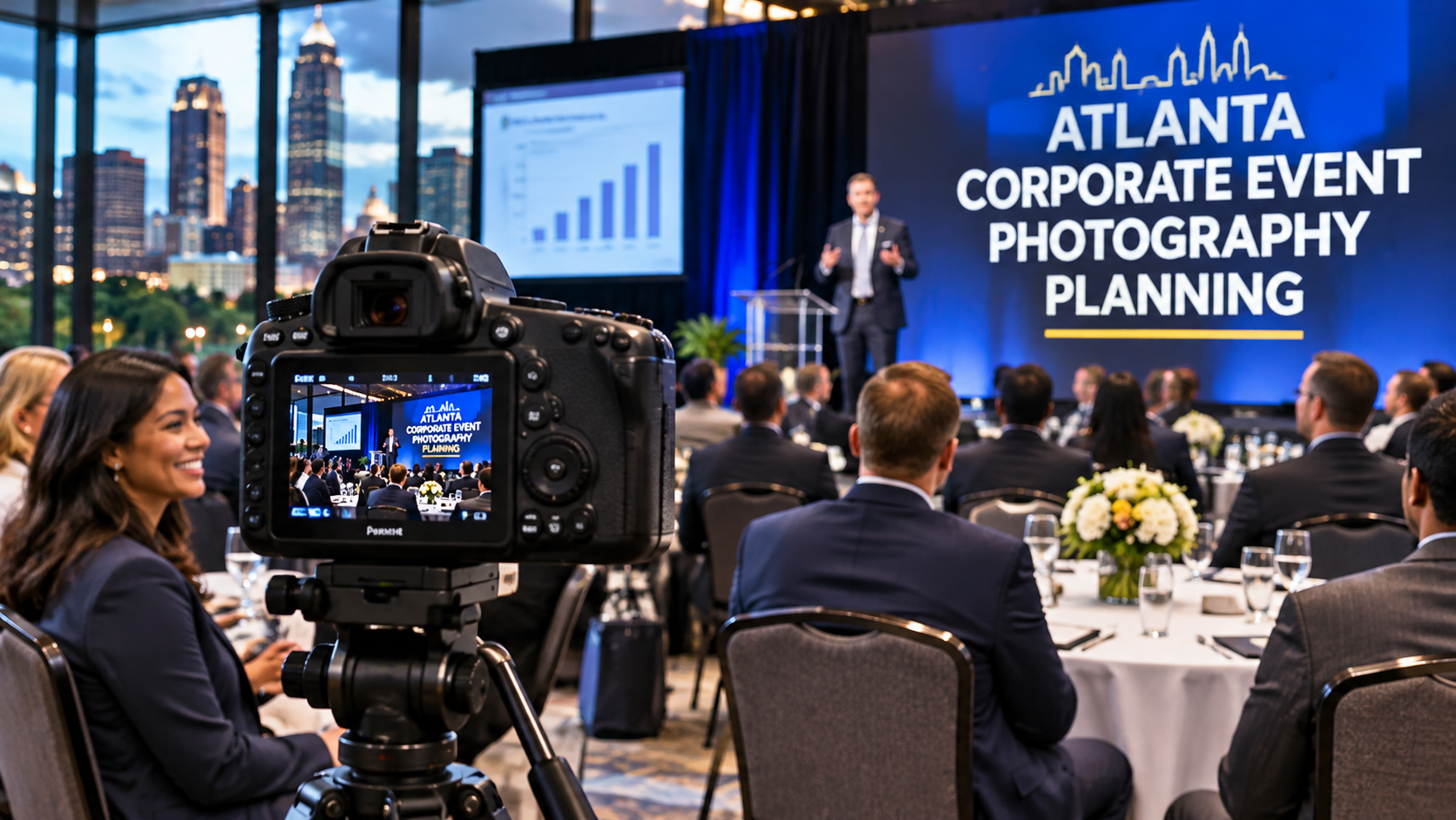
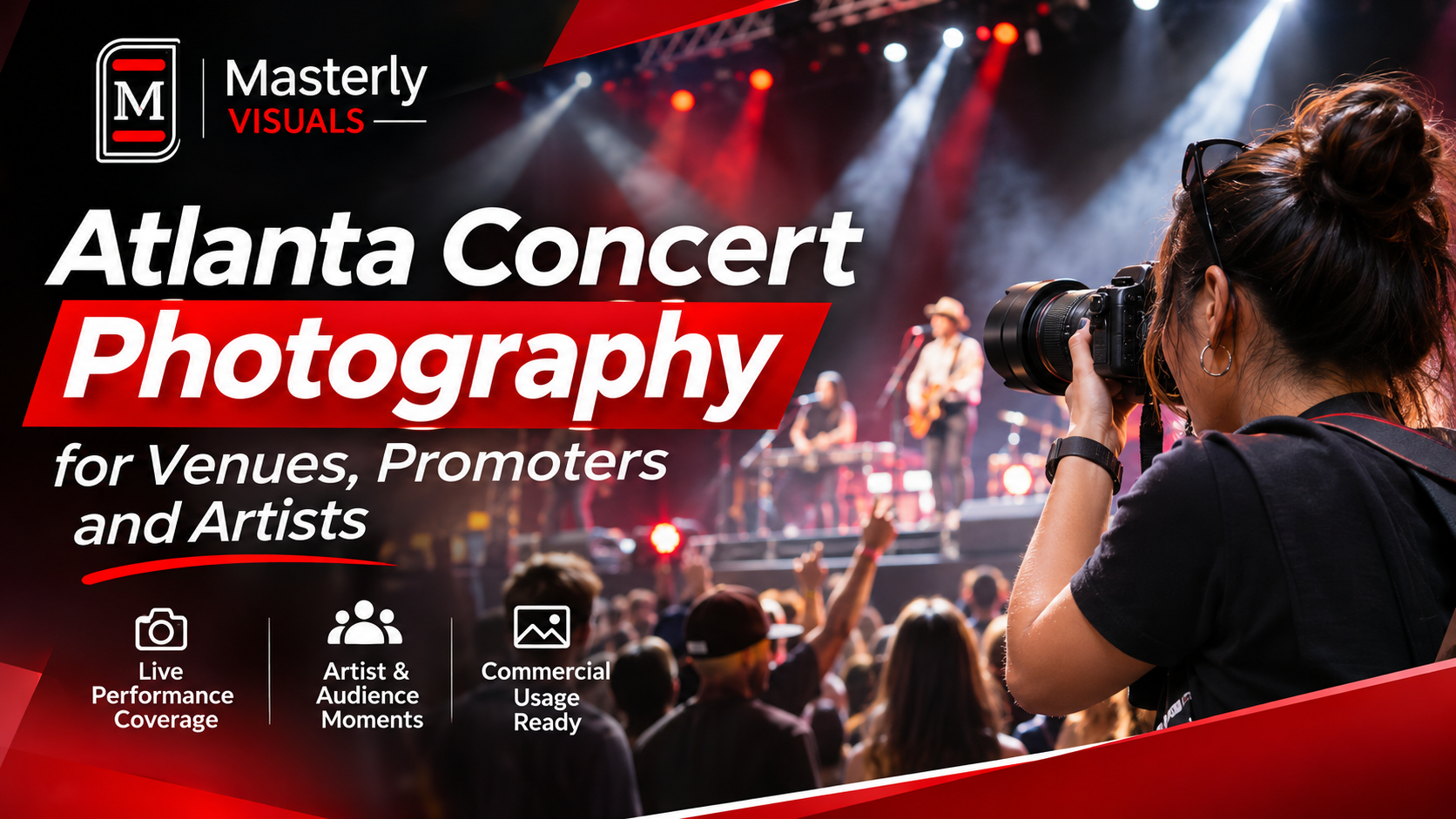
Atlanta concert photography for promoters, artists, festivals, and venues. Capture live performances with Masterly Visuals. Request photography availability.

Plan construction progress photography in Atlanta with consistent milestone coverage, clear deliverables, and reliable visual records for owners and builders.
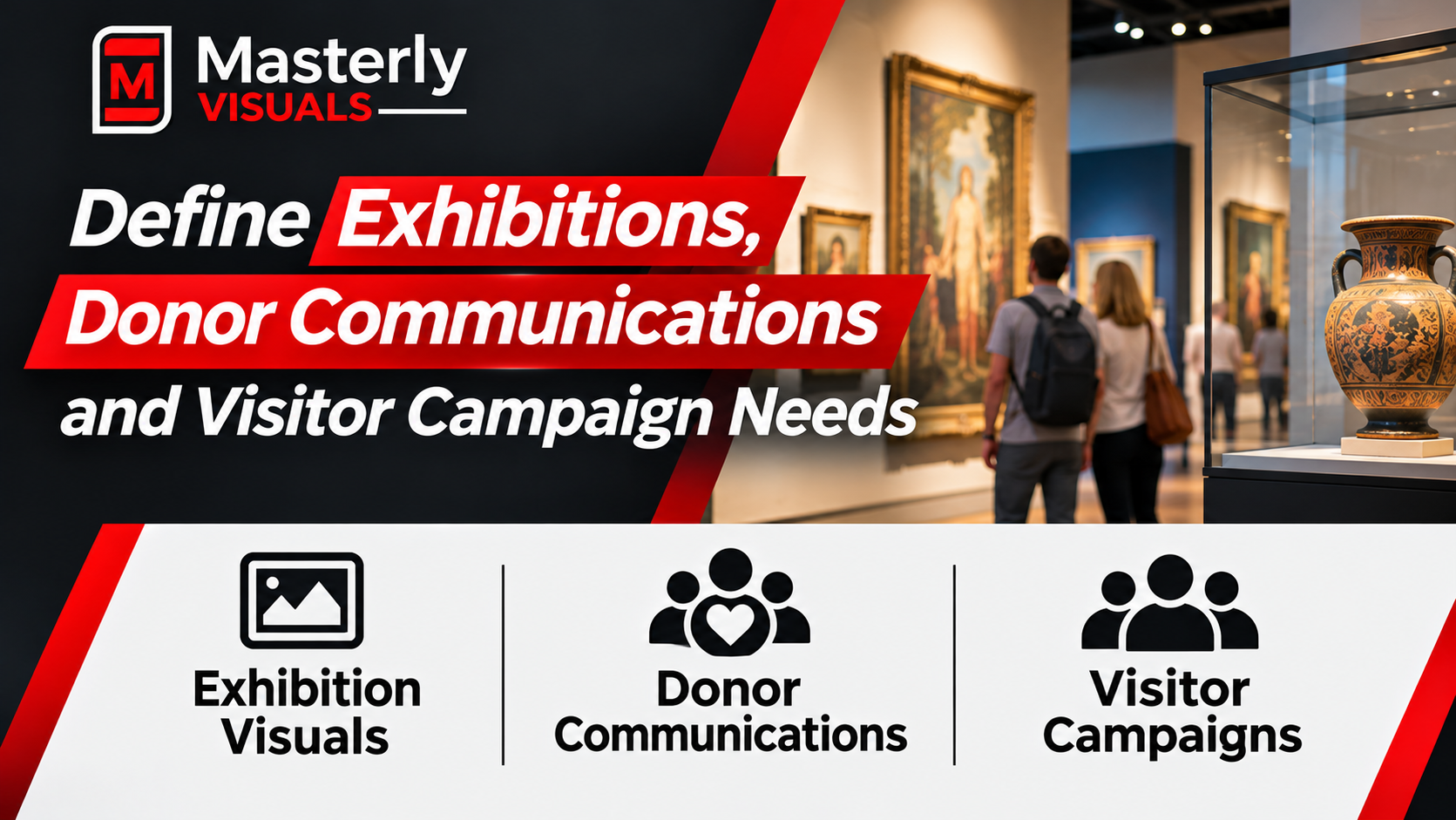
Introduction: Why Campaign Photography Matters for Cultural Institutions In 2025, cultural institutions face competition not only from entertainment businesses like Netflix, algorithmic feeds, and a hundred other demands on attention, but also from direct rivals competing for the same audiences. Photography can evoke emotions and create connections that no tagline alone can deliver. That’s why cultural institution campaign photography is one of the most important tools museums and cultural venues use to tell compelling stories, shape perception, and drive attendance beyond simply documenting exhibitions. Consider the evidence. The Rijksmuseum’s flashmob tableau went viral with millions of views, turning a 17th-century painting into a global conversation starter. Tate Modern continues to deploy image-led campaigns that shape how London experiences art. The Getty Museum in Los Angeles and the Rijksmuseum in Amsterdam both use photography not just to document what’s on display, but to tell visitors why they should care. For museum marketers, cultural institution staff, and creative teams planning photography-led campaigns, this article examines how images build branding, support both permanent collection and temporary exhibition shoots, sharpen the photography brief, guide technical and artistic choices, increase audience engagement, and measure campaign impact through visual storytelling visitors can expect to feel as well as see. From Archive to Icon: Positioning the Cultural Institution Visually Campaign photography goes far beyond documenting exhibitions. Cultural institutions use photography to communicate identity-shaping how millions of people perceive them before ever walking through the doors. A memorable building can serve as a brand for cultural institutions, but photography is what makes that brand travel. The Louvre's Da Vinci exhibition attracted over 500,000 visitors in 2019, fueled by sweeping hero images that positioned the institution as timeless and globally venerable. The Dalí Museum's creative campaign for its Warhol-focused exhibition used saturated color and pop sensibility placed in airports and transit hubs, helping the museum shed its niche reputation. Fotografiska New York launched in 2020 to differentiate in a competitive market, embracing moody, urban, contrasty palettes that signaled a completely different kind of gallery experience. The Museum of Old and New Art in Hobart, Australia, is known for its provocative exhibitions and matches that identity through equally provocative imagery. The key distinction: photographing the permanent collection leans toward classical, timeless imagery, while capturing the building, café, shop, and public spaces requires showing place, architecture, and people. Your visual position-shaped by the institution's history, and ideally expressed in a single defining word-whether "provocative and urban" like Fotografiska or "scholarly and timeless" like The British Museum-guides every campaign photo decision, from angle to lighting to styling. Defining the Brief: Goals, Audiences, and the Museum Marketing Campaign A written photography brief is non-negotiable. Without one, campaigns risk visual inconsistency, misallocated assets, and wasted budget. Cultural marketing campaigns use distinct photographic strategies tailored to objectives, and the brief is where those strategies get defined and clarified, including what the campaign aims to achieve. Typical objectives include: New wing launch (e.g. the Munch Museum's 2021 opening, which centered on architectural drama and city presence) Blockbuster exhibition (e.g. a Dalí-Warhol pairing or a 2026 contemporary retrospective) Rebrand or repositioning (e.g. M oMA's design identity refre sh aiming for "inspirational" over "institutional," developed to shift perception) Audience segments should be spelled out clearly: local families, international tourists, members and donors, students aged 16–30, and digital-only followers. Platforms like Instagram and TikTok benefit from visually attractive photography, so the brief must map deliverables to channels-out-of-home billboards, website hero banners, press kits, email newsletters, and paid social. A strong brief should also explain the core challenge the campaign needs to solve. Example KPIs to include: Ticket sales for a specific 2026 exhibition Membership sign-ups within 90 days Newsletter subscription growth Percentage increase in web traffic or dwell time Social engagement rates (likes, shares, saves) Story First: Crafting a Narrative for Campaign Photography Random exhibition shots don't build a brand. A cohesive visual narrative-one that runs across a full season or year-does. The process starts with a central idea: "A museum for today's city," "Rediscover the permanent collection," or "Beyond the gallery." That idea informs every photoshoot, every crop, every color grade, and seeks to make the institution legible and memorable. The Rijksmuseum's Operation Night Watch project (launched July 2019) illustrates this well. The narrative of restoration, transparency, and heritage was communicated through visuals of conservation work, high-resolution detail, and public observation through a glass enclosure, giving the public new perspectives on conservation work. Consistent visual identity strengthened brand recognition across the entire multi-year campaign. Tate Britain's 2014 #1840sGIFParty took a different approach-playful, quirky, historically rooted-and Tate Britain's GIF project received 85,000 likes on social media, proving that emotional imagery fosters connections with cultural experiences. Photography campaigns can highlight historical significance and community involvement when the narrative is clear. Techniques that work: recurring visual motifs (the same doorway, the same visitor profile, the same signature artwork), consistent color palettes, and unified composition choices. MoMA's updated member ship photography emphasizes people moving through space with dynamic framing-every image feels like part of the same story. An unfocused campaign shows artworks floating in frame with no context. A narrative-led campaign is more interesting, showing sunlight through windows, architecture casting shadows, visitors pausing in wonder, and detail shots that reward attention. Photographing the Permanent Collection vs. Temporary Exhibitions Permanent collections offer long-term value. These assets must serve many seasons and formats-catalogs, digital galleries, guides, social posts-without significant rework, often supporting carefully curated institutional storytelling over time. Shoot them for flexibility: high resolution, clean compositions, neutral lighting, multiple crops (square, vertical, landscape). Think multi-year. Temporary exhibitions permit more experimentation. Theme-driven color grading, bold directional lighting, dynamic angles-these are fair game. The Louvre's Da Vinci exhibition attracted over half a million visitors in 2019, and the campaign photography leaned into the drama of the quincentenary, using atmospheric context that a permanent collection shoot would avoid. Practical constraints matter: rights clearance for loaned works, artists and estate requirements, conservation limits on lighting, and restrictions on visitor presence during shoots. Capturing the Visitor Experience: People, Place, and Atmosphere Modern cultural institutions sell experiences rather than goods or services, not just objects. Successful campaigns often showcase authentic visitor experiences-families in education rooms, teens creating content in immersive installations, evening events spilling onto rooftops. Visitor interaction in promotional photography increases relatability and turns aspirational scenes into invitations. The Black Country Living Museum gained 470,000 TikTok followers since August 2020 by leaning into exactly this kind of people-first content. The Peabody Essex Museum's "Esca pe the Algo rithm" campaign foregrounded diverse visitors experiencing objects and interpreting space, resulting in a 75% increase in new online visitors. Educational programs can be reinforced through effective visual storytelling that shows real learners in real moments. Highlighting diverse audiences in promotional imagery increases appeal and reflects the communities institutions actually serve. Inclusive representation in marketing photography fosters a sense of belonging-visitors may arrive alone, with family, or with friends, and showing that range is a strategy, not a checkbox. High-quality imagery showing emotional responses boosts audience engagement far more than pristine object-only shots.
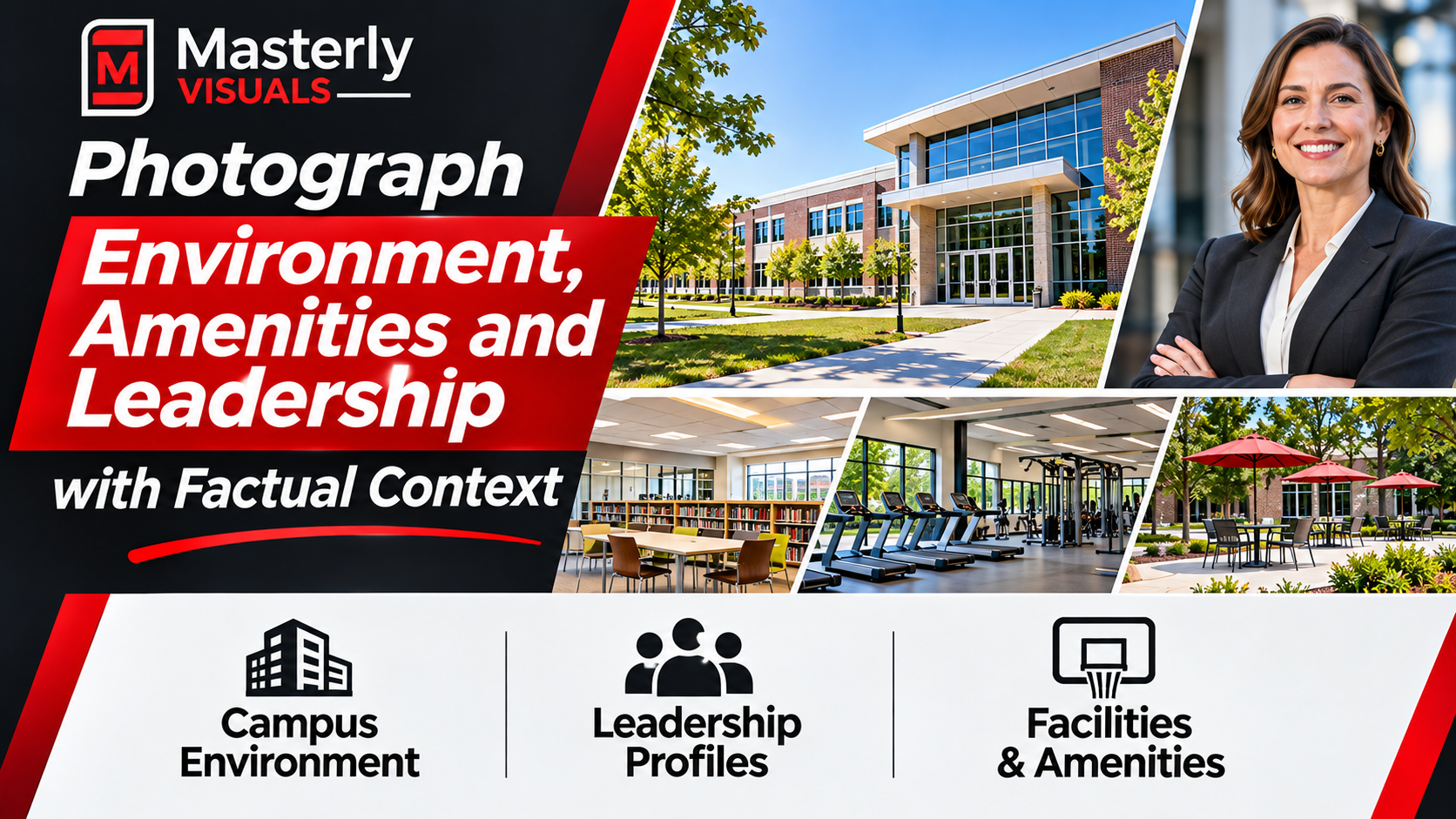
Families researching senior-living communities want to understand more than room sizes and available amenities. They want to see where their loved ones may live, spend time, and connect with others. Outdated photographs, generic stock images, or poorly lit interiors can make it difficult to understand what a community actually offers. Professional senior li ving commu nity marketing photography helps operators present their facilities, shared spaces, leadership teams, and everyday environments through accurate, welcoming images. For senior-living organizations, visual content supports more than advertising. It can help prospective residents and families evaluate the physical environment before scheduling a visit. However, photographing a senior-living community requires special attention to resident dignity, informed permissions, privacy, and factual representation. Images should reflect the facility's actual services without implying care capabilities or experiences that have not been verified. Masterly Visuals provides commercial, architectural, corporate, and lifestyle photography services for organizations seeking professional marketing imagery. Senior-living operators can discuss their photography needs with the studio and request a commercial proposal suited to their facility and marketing objectives. 1. Photograph Environment, Amenities and Leadership With Factual Context A senior-living community includes many spaces that influence how prospective residents and families view the property. Professional photographs can highlight building design, interior environments, communal areas, and the people responsible for daily operations. Facility Exteriors and Residential Spaces Exterior photography helps establish the property's appearance and surroundings. Images may feature building entrances, landscaped areas, walking paths, courtyards, and exterior gathering spaces. Interior photographs can present reception areas, dining rooms, residential accommodations, and shared living spaces. Professional senior living facility photography should represent the property accurately, including the condition and appearance of the spaces being marketed. Photographs of model rooms or furnished examples should be identified appropriately when they do not represent every available accommodation. Amenities and Shared Community Areas Amenities can influence how families compare senior-living communities. Depending on the facility , photography may include activity rooms, libraries, dining areas, fitness spaces, gardens, and other shared environments. High-quality community amenities imagery helps visitors understand how these spaces look and connect within the property. Marketing descriptions should accurately identify which amenities are available rather than suggesting that photographed features are offered at every location. Leadership and Staff Photography Professional portraits of administrators, department leaders, and authorized staff members can help introduce the people behind the organization. Consistent lighting, natural expressions, and appropriate backgrounds support a coordinated professional presentation. Masterly Visuals offers corporate headshot and workplace photography services that can be considered when planning leadership imagery. These photographs can support staff introduction pages, recruitment materials, and community communications. 2. Prioritize Informed Permissions, Residents Dignity and Privacy Photographing a senior-living community requires greater sensitivity than many other commercial assignments. Residents may have different comfort levels, health needs, communication abilities, and expectations of privacy. Marketing photography should respect each person's dignity and right to choose whether to participate. Resident Consent and Photography Permissions Residents and family members should understand the purpose of a proposed photography session and how recognizable images may be used. Where required, appropriate written consent, releases, or authorizations must be obtained before photography or publication. If a resident cannot legally provide the necessary authorization, the facility may need to involve an appropriately authorized representative. A family relationship alone does not automatically give someone authority to approve marketing photography. Residents should not be pressured to participate, and the facility should respect decisions to decline. Clear, respectful photography can also help address family concerns before a visit. Privacy and Protected Information Some senior-living facilities are subject to HIPAA and other healthcare privacy requirements. When photographs reveal protected health information, applicable privacy rules may require specific authorization before the images are used for marketing. Facilities should also consider state laws, resident rights, and internal privacy policies. Photography should avoid exposing medical records, medication information, care plans, or private personal details. Protecting Dignity During Production Resident privacy extends beyond the written release process. Care activities, personal hygiene, medical treatment, and other sensitive situations should not be treated as promotional opportunities. The production team should also respect private living areas and avoid interrupting residents' routines without appropriate approval. Masterly Visuals can discuss photography logistics with facility representatives, while the senior-living organization remains responsible for confirming applicable permissions and privacy requirements. 3. Create a Facility and Lifestyle Shot List Without Staged Care Claims A successf ul senior-living photography project should reflect the community's real environment and approved marketing priorities. A residential lifestyle campaign may include a combination of architectural photography, amenities, leadership portraits, and appropriately approved resident activities. The selected subjects should support an accurate presentation of community life. Residential Interiors and Daily Environments Photographs of rooms and shared spaces can help prospective residents understand the physical environment. Wide interior views may show the layout and furnishings, while closer photographs can highlight design details and accessible features. Marketing teams may also use research on what families value to decide which interior features to prioritize. Images should not conceal important conditions or create misleading impressions of available accommodations. Lifestyle and Community Activities Where residents have provided appropriate permission, photography may document scheduled activities, shared dining experiences, or social events. Authentic interactions can communicate a sense of community without requiring artificial scenes. In senior living marketing, lifestyle images usually work best when they show people participating in daily life rather than only photographing empty amenities. If professional models or staged situations are used, the marketing context should not mislead viewers into believing those images document actual residents, care services, or typical experiences. Avoiding Unsupported Care Claims Photography should not imply that a community provides medical treatment, specialized supervision, or other care services unless those services are accurately represented and supported. For example, a staged interaction between a staff member and resident should not be presented as proof of a particular clinical service or quality outcome. Marketing teams should distinguish lifestyle photography from documented care delivery. Coordinated Visual Storytelling A complete photography project may combine property exteriors, residential interiors, leadership portraits, and approved lifestyle scenes. These image categories can help communicate a coherent picture of the community. Masterly Visuals can discuss the desired image types, production requirements, and available commercial photography options before preparing a proposal. 4. Consider Website, Brochure and Recruitment Usage Requirements Senior-living organizations often use photographs across several marketing channels. A coordinated image collection can support community websites, printed materials, advertisements, and employee recruitment. The intended uses should be considered when establishing the project's scope and permissions. Website and Community Landing Pages A senior-living website may feature property photographs, amenities, team portraits, and approved community activities. Wide images can introduce the facility, while detailed photographs can support individual service or accommodation pages. The final images should suit the website's layout and accurately represent the specific community. Brochures and Family Members Information Materials Printed brochures may require photographs suitable for high-resolution reproduction. A marketing brochure may combine building images, residential spaces, and authorized staff portraits to explain the property's features. Professional photography can help maintain a consistent visual identity across print and digital materials. Advertising and Community Outreach Community photographs may also support digital advertising, social media, local publications, and outreach campaigns, and seasonal updates can provide fresh content for recurring outreach. Where identifiable residents appear, permissions should cover the intended promotional use. The facility should also confirm any image licensing requirements before distributing photographs across channels. Planned photography campaigns across the year can help materials avoid looking out of date. Employee Recruitment and Leadership Communications Senior-living operators may need professional photographs for hiring campaigns and staff introduction materials. Images of authorized employees and workplace environments can help prospective applicants understand the physical setting and organizational identity. Masterly Visuals can discuss corporate portraits and workplace photography alongside facility imagery when those services are included in the project scope. 5. Document Location, Access and Approval Steps for a Commercial Brief Senior-living photography projects require coordination between marketing staff, facility leaders, residents, and other approved participants. A commercial photography proposal should reflect the property's needs, access conditions, creative direction, and intended deliverables. Property Location and Production Access The size and layout of the community can influence production requirements. A single residential property may require different scheduling from an organization with several facilities. Some spaces may have restricted access, and certain areas may need to remain private during photography. The facility should identify approved locations and a representative who can coordinate access. Photography Scheduling and Daily Operations Production should be planned around the community's daily activities and residents' comfort. Dining schedules, organized events, visitor access, and staff availability may influence the photography schedule. Photo sessions should not interfere with necessary resident care or essential facility operations. Creative Direction and Image Deliverables The project brief may identify preferred image styles, subjects, locations, and final uses. Relevant deliverables may include architectural photographs, amenities, staff portraits, and approved lifestyle images. The number of final photographs, editing needs, image formats, commercial licensing expectations, goals, and budget can affect the quoted scope. One organized session can supply images for several channels, which often makes better use of the budget. The number of final assets you receive depends on the agreed goals and scope. Permission and Approval Responsibilities Before photography begins, the organization should confirm who is responsible for obtaining resident releases, arranging staff participation, and approving access to private areas. The client and photographer should also establish how images will be reviewed before publication and how any privacy concerns will be addressed. Professional Photography Services From Masterly Visuals Masterly Visuals provides commercial photography services that may support senior-living facilities seeking architectural, interior, corporate, and lifestyle imagery. The studio can discuss the property's visual priorities, access requirements, proposed photography schedule, and intended marketing uses. A consultation allows facility operators to determine whether the requested services fit the studio's capabilities and to request a tailored commercial photography proposal. Capturing Everyday Life Through Senior Living Brand Storytelling Professi onal brand storytelling helps senior-living communities present the comfort, character, and experiences of everyday life. A thoughtful mix of residential interiors, shared spaces, and approved lifestyle photography can highlight the vibrant atmosphere of a community. Images featuring dining areas, food, gardens, and places to rest can help families understand what the property offers. Masterly Visuals provides commercial photography services that help senior-living brands communicate their identity while keeping resident dignity, privacy, and accurate representation in mind. Showcasing Residential Amenities and Community Spaces Senior-living communities may offer a variety of amenities, including a clubhouse, landscaped gardens, recreation areas, or tennis courts. Professional photography can focus on these features when they are available at the property. Whether documenting individual homes, an apartment community, or shared residential spaces, high-quality images help prospective residents understand the environment. A property developer or facility operator can use these photographs to highlight completed amenities and present the community accurately across marketing materials. Location Photography for Senior Living Communities Across Different Markets Location can influence ho w families search for senior-living options. Communities in a large city, smaller town, or residential neighbourhood may have different surroundings worth highlighting. For example, a facility in Mount Holly, NC, may benefit from photography showing its building and nearby setting, while communities in other locations may require a different visual approach. Professional location imagery helps families find relevant property information and understand the character of a place. Masterly Visuals can discuss project locations, access arrangements, and any required travel during a c ommercial photography inquiry. Photography Planning, Technology, and Property Readiness The importance of professional photography becomes clear when senior-living properties need consistent images for websites, brochures, and advertising campaigns. Modern photography technology supports high-quality image production, but the property's condition and approved creative direction remain essential. Communities completing construction or renovations may need to coordinate their photography schedule with facility readiness. A project could require several hours, half a day, or a longer production period depending on the location, number of s paces, and expected deliverables. Masterly Visuals can review these requirements before preparing a proposal. Seasonal Photography Scheduling and Marketing Campaign Delivery Senior-living marketing teams may plan campaigns around specific periods, such as July or October, when new promotional materials are needed. A facility may require updated images within a particular week to support website changes, printed brochures, or community outreach. The photography schedule should follow approved access arrangements, resident permissions, and operational requirements. Marketing teams can discuss their deadlines with Masterly Visuals to determine whether the requested photography scope and delivery expectations can be accommodated. Commercial Photography That Supports Senior Living Marketing Goals Professional senior living community marketing photography helps organizations fill their marketing materials with authentic images of facilities, amenities, and approved residential activities. Rather than relying on generic stock photography, operators can present the features that distinguish their communities. Masterly Visuals can discuss photography requirements for residential spaces, leadership portraits, and community amenities, helping clients develop visual assets for websites, brochures, and promotional campaigns.

University admissions campaign photography is one of the most effective ways to turn a list of degree programs into a place prospective students can see themselves belonging to. A well-executed photoshoot delivers the visual assets your marketing team needs for an entire recruitment cycle, from homepage sliders to train station billboards. This guide walks through every stage of planning, producing, and measuring a campaign that actually moves the needle on applications. Fast overview: what admissions campaign photography delivers University admissions campaign photography is the practice of creating a consistent, on-brand image library specifically designed for recruitment seasons, whether that means winter 2025, fall 2026, or any upcoming intake. The goal is to produce a visual toolkit that every team in the admissions office can draw from, eliminating the scramble for last-minute stock photos. Core goals: Boost applications and yield by making the university feel tangible and desirable before a campus visit ever happens. Stand out against competing institutions through distinctive, recognizable imagery that no rival can replicate. Supply versatile assets across every channel: print prospectuses, website banners, outdoor advertising, and social media ads. Typical deliverables: Homepage sliders and hero banners for the main admissions website. Degree-page banners that give each program its own visual identity. Admissions brochures and printed promotional materials for open days and school fairs. Large-format outdoor placements: tram stop citylights, train station megaboards, highway billboards. Social media content in square, vertical, and landscape ratios. Why it works: Student life and culture significantly influence university choice, and photography is the fastest way to communicate both. High-quality photography enhances social media engagement and admissions conversion rates. Modern marketing strategies emphasize the importance of visual identity across platforms, so consistency is non-negotiable. A consistent visual identity is critical to recognizable university marketing campaigns year after year. A single well-planned 1–3 day shoot can produce 100–500 images, enough to power an entire recruitment cycle and reduce costs over time. Southern Uta h University 's 2025 "University of the Parks" campaign demonstrated this: real student imagery generated 2.23 million impressions, 12,720 clicks, and 178 campus tours in a single month against a goal of 50. Planning a university admissions photo campaign Planning needs to start 3–6 months before your key admissions window. If applications open in January 2026, your team should kick off creative planning no later than September 2025 to allow time for concept development, casting, scouting, production, post-production, and asset integration. Seasonal and multi-shoot planning keeps photography relevant and engaging across changing recruitment cycles. Stakeholder alignment: Marketing, admissions leadership, and your freelance photographer or in-house portrait photographer should agree on 2–3 core messages before anyone picks up a camera. Messages like "career-ready in three years" or "research-focused teaching" dictate what scenes need to be captured. Include academic faculty early so that labs, classrooms, and studio spaces can be scheduled without conflicting with courses. Pre-production tasks: Define target audiences: local undergraduates, transfer students, international applicants, postgraduate candidates. Each group may need different visual emphasis. Clarify usage rights up front: how long images will be used, which media (print, web, outdoor), and which territories. Agree on locations: campus quad, specialist labs, library, city landmarks, and any off-campus sites students use daily. Build a detailed shot list and day schedule with exact time blocks, for example: 09:00–12:00 - Portraits in main atrium (natural light) 13:00–16:00 - Lab sessions (engineering, health sciences) 16:30–18:00 - Golden-hour exterior architecture and student life Keep this plan high-level. A rigid minute-by-minute breakdown usually falls apart on day one. Time blocks with built-in buffers work better. Defining visual concept and key messages Successful admissions campaigns translate abstract slogans into concrete, repeatable visual motifs. "Study. Create. Impact." is meaningless until it becomes a photograph of a student soldering a prototype, a group collaborating on a design project, or a volunteer team at a community event. Building a visual concept: Pick a color palette that anchors every image: university brand colors plus one or two accent tones (bright RGB lighting works well to add energy to neutral lab backgrounds). Set a mood: optimistic, energetic, and authentic rather than overly polished. Digital C amera World reports that 2026 photography trends favor "less perfection, more human." Define composition style: wide architectural campus scenes for hero banners, tight portraits for program pages, and negative space reserved for copy overlays. Connecting visuals to messages: Employability → Students in internship settings, talking with employers, working on real projects. Academic excellence → Small seminars, research equipment, faculty-student dialog. Community → Clubs, volunteering activities, social gatherings at the student union. Practical steps: Prepare 2–3 mood boards (portraits, academic scenes, student life) with sample images, lighting references, and clothing guidelines. Share these with every participant before the shoot. Authenticity is prioritized over staged perfection in university admissions photography. Candid student interactions create emotional connections that posed group shots simply cannot. Effective photography tells a story about belonging and community transformation, not just about buildings and equipment. Visual storytelling can convert a university from a list of programs into a desirable experience. Avoid generic stock-photo clichés: forced handshakes, anonymous lecture halls, desert-dry corporate headshots. Use recognizable campus places and real people instead. Students in a photography program often learn to develop a personal photographic style; your campaign benefits from a photographer who has done the same. Selecting and preparing student models Deliberately choose a group of 10–20 students, each representing a specific field of study, so that every degree landing page gets authentic imagery. Computer science, nursing, architecture, business, media studies, and arts should all be covered. Diversity in student representation is essential for effective university photography. Include variety across year of study, gender, international backgrounds, and visible inclusion of students with disabilities. The use of real students in photography helps in creating authenticity and relatability. Prospective applicants respond to people who look like potential peers, not hired models from an agency. Issue a casting call via email in March (or 8–10 weeks before the shoot). Use a short application form to collect each person's degree program, schedule availability, and comfort level with cameras. Schedule a quick on-campus test shoot one week before the main sessions so your photographer can check how each individual photographs under real lighting conditions. Wardrobe guidance: Ask each person to bring 2–3 outfits: casual campus wear, smart-casual for careers imagery, and lab-safe clothing where needed. Avoid small logos, heavy patterns, and clashing brand colors. Coordinate gently with the university palette. Provide minimal hair and makeup support to ensure skin evenness under strong lighting, especially for outdoor work. Location scouting: campus and city backdrops Recognizable, real locations matter because prospective students want to see where they will actually study. Photography should reflect genuine campus life to build trust with prospective students considering enrollment in 2026 and beyond. On-campus priorities: main entrance with signage, central courtyard, library reading room, modern lecture theatres, specialist labs, student union, cafés, and any buildings opened after 2020. City backdrops: the central train or tram station, a popular shopping gallery, parks, startup hubs, and cultural landmarks that express the lifestyle students will experience. Schedule a half-day scouting session with your commercial photographer to test light at morning, midday, and golden hour, and to note permit or access requirements for each location. Universities typically limit the recenc y of cam pus imagery to 3–5 years to ensure buildings, technology, and style look current. Prioritize recently renovated classrooms and new facilities in your shot list. Include at least one or two off-campus locations that provide context for the surrounding city or region, helping applicants picture their daily life beyond the campus gates. Lighting, equipment, and technical setup Consistent lighting across 1–3 shoot days is critical when images will be used on large-format outdoor ads and high-traffic web banners. A color shift between day one and day three can derail an entire campaign. Cameras and lenses: Two to three mirrorless or DSLR camera bodies (40–60 MP sensors if assets will appear on billboards), fast prime lenses (35 mm, 50 mm, 85 mm) for portraits, and a 24–70 mm zoom for flexibility. Bring backup bodies and plenty of memory cards. Lighting equipment: RGB and white LED panels or strobe lamps to enhance university brand colors on neutral backgrounds. Battery-powered flashes and portable softboxes handle dark corridors, auditoriums, and cloudy outdoor conditions. Reflectors assist in filling harsh shadows during midday exterior work. Color calibration: Use a grey card and custom camera profiles at the start of each day. Maintain consistent white balance across all sessions so images produced on Monday match those from Wednesday. Social media photos should be well-lit and in focus; the same applies tenfold to a billboard seen by thousands of commuters. Bright, correctly exposed files prevent costly retouching later. File delivery: Capture in RAW. Output high-resolution TIFF or uncompressed JPEG for print, lower resolution for internet use, and multiple crop ratios (horizontal, vertical, square) for different layouts. Consider capturing b roll video clips during the photoshoot. Even 15–30 seconds of movement per scene can fuel social media reels and campus tour content alongside your stills. Portraits by a portrait photographer for admissions and program pages Strong portraits of real students and staff form the backbone of admissions photography. They humanize the institution and convert well on program pages because a face builds trust faster than a paragraph of text. Photography can enhance the emotional aspect of university admissions decisions in ways that brochures alone cannot. Types needed: Tight headshots (3×4 ratio) for "Meet our students" galleries and staff directories. Three-quarter portraits for brochures and magazine features. Environmental portraits showing the subject within their lab, studio, or campus context. Direction methods: A skilled portrait photographer guides relaxed poses, uses shallow depth of field to separate the subject from busy backgrounds, and keeps conversation flowing to draw out natural expressions. Visual literacy matters here: your photographer should understand how a single photograph communicates personality and approachability. Capture portraits of academic staff, admissions officers, and career counselors for use on "Contact us," "Open Day," and "Our faculty" pages. Don't forget the office of the dean or the school's careers service. Usage examples: Degree landing pages, prospectuses for the 2026 intake, alumni success stories, scholarship campaigns, and social ads where authenticity drives clicks. Showcasing photography program, study programs, labs, and real teaching This section is visual proof that promises in the prospectus and program descriptions match reality on campus. Action-oriented photography highlights experiential learning opportunities for students, giving applicants a reason to believe what they read. Scenes to capture: Chemistry and biology experiments, engineering workshops, coding labs, architecture studios with physical models on desks, and media labs with cameras or sound desks. Mix staged yet authentic mini-scenarios (lecturer explaining a concept, a small group collaborating on a project) with real classes scheduled in October–November. Photos should capture authentic moments and community spirit, not rehearsed tableaux. Cover each major field: health sciences, business, humanities, arts, STEM, and any flagship programs launched after 2022 that need more visibility. Photography can facilitate storytelling about the student journey from application to belonging, and program-specific imagery is where that story gets specific. Note safety and permissions when photographing in labs, hospitals, or partner companies where students complete placements. Goggles, lab coats, and ethical consent are non-negotiable. Photography education tie-ins: Students can earn an A.A. in Photography, and photography programs prepare students for various photography careers, from editorial to commercial work. A Career Photography I certificate focuses on portrait and wedding photography, providing a foundation of skills that translate directly to event and weddings coverage. High school preparation for these programs typically includes courses in art and basic photography, so showcasing your institution's photography program can attract a specific applicant pool with existing knowledge in the field. Photography courses develop the principles of visual storytelling and film-based as well as digital methods, giving learners a foundation in both traditional and contemporary approaches. Advertising placements: from campus to train stations and social media Map your photography needs to the specific advertising formats planned for the admissions window. If your January–March 2026 campaign includes city-center and transport-hub placements, every image must be shot with those dimensions and resolutions in mind. Vertical compositions for citylight posters at tram stops near campus. Wide panoramas for train station megaboards and escalator panels. High-resolution files (minimum 300 dpi at final print size) for wall wraps and highway billboards. Concrete placement examples: Banners at a major shopping gallery entrance, visible to thousands of weekend visitors. Posters at the three tram stops closest to campus. Wall wraps at the main city station students use daily for commuting. Shoot with negative space for typography so copy like "Apply by 31 August 2026" or "Winter 2027 admissions" can be added cleanly. Frame subjects off-center or include architectural blank walls and sky. Eastern Connecticut State U niversity's mult i-channe l rebrand , which combined outdoor advertising with digital creative, produced about a 10 percent lift in completed applications and a 12 percent increase in admitted students. Working with freelance photographer and commercial photographers There is a real difference between using an in-house team and commissioning a freelance photographer or commercial photographer who specializes in educational campaigns. In-house staff provide consistency and institutional knowledge, but external photographers often bring larger crews, specialized equipment, and fresh creative perspective. Selection criteria: Strong portfolio of higher-education work, experience managing large-scale projects, understanding of model releases, and comfort directing non-professional student models. Professional photographers are recommended for high-visibility projects like billboard campaigns and national print runs. Contract essentials: Clear licensing terms covering duration (e.g., 2026–2028), territories, and media (print, web, outdoor, social). Agree on retouching scope, delivery deadlines, and file formats. Agencies that represent photographers will often handle these details, but review every clause. Pricing varies. Internal university photography rates range from roughly $100–$350 per hour. External commercial rates for a full-day campaign shoot with a company or studio may run higher but include crew, lighting, and post-production. Schedule a pre-shoot meeting or video call 4–6 weeks ahead to align on visual style, shot list, and campus logistics. Follow up post-shoot to review key selects before final retouching begins. Build a long-term relationship so the same photographer can update the image library every 1–2 years. This reduces briefing overhead and ensures visual continuity across cohorts. Returning clients always benefit from accumulated institutional knowledge. Organizing, selecting, and archiving campaign images The value of your photos depends entirely on how easily marketing and admissions teams can find and reuse them for future campaigns. Temple University maintains a digital asset library specifically for marketing photos, a development worth emulating. Use a central digital asset management (DAM) system or a well-structured shared drive. Organize folders by year (e.g., "Admissions_2026"), campaign name, and location. Ramapo College created a large photo library last year using a similar structure to streamline access across departments. Metadata practice: Tag every image by faculty, building, shot type (portrait, lab, campus life), and rights information including release status and expiry dates. Link model release forms to each identifiable person. Selection workflow: The photographer delivers contact sheets or broad selects. The marketing team narrows down to "hero" images and alternates for A/B testing on landing pages and ads. Keep alternates organized rather than deleted. Schedule periodic reviews, at least once per academic year, to retire outdated visuals (new fashion, demolished buildings, replaced equipment) and brief new shoots when major facilities or branding change. Legal, consent, and brand consistency Legal compliance and brand control are non-negotiable in university admissions campaign photography, especially when images appear on billboards, news outlets, and national internet campaigns. Model releases: Obtain written releases from every student and staff participant. Th e Univer sity of Minnes ota distinguishes between photo releases (passive appearance) and talent releases (active participation). Use the version that matches each person's role in the shoot. Parental consent is mandatory for minors. Clearly explain to every participant where images will appear: website, print prospectus, outdoor advertising, social ads, alumni magazine, and scholarship campaigns. Data protection: When images are linked to names, testimonials, or case studies, control storage and access. Limit who can download and distribute files containing identifiable individuals. Brand consistency: Use the official color palette, avoid conflicting clothing colors, and align every image with the university's photography style guide. Consistent visual identity across 2025/26 prospectuses, digital galleries, and event materials reinforces recognition and trust. The University of Wisconsin –Milwauke e mandates model releases to comply with state privacy laws, a good benchmark regardless of your institution's location.
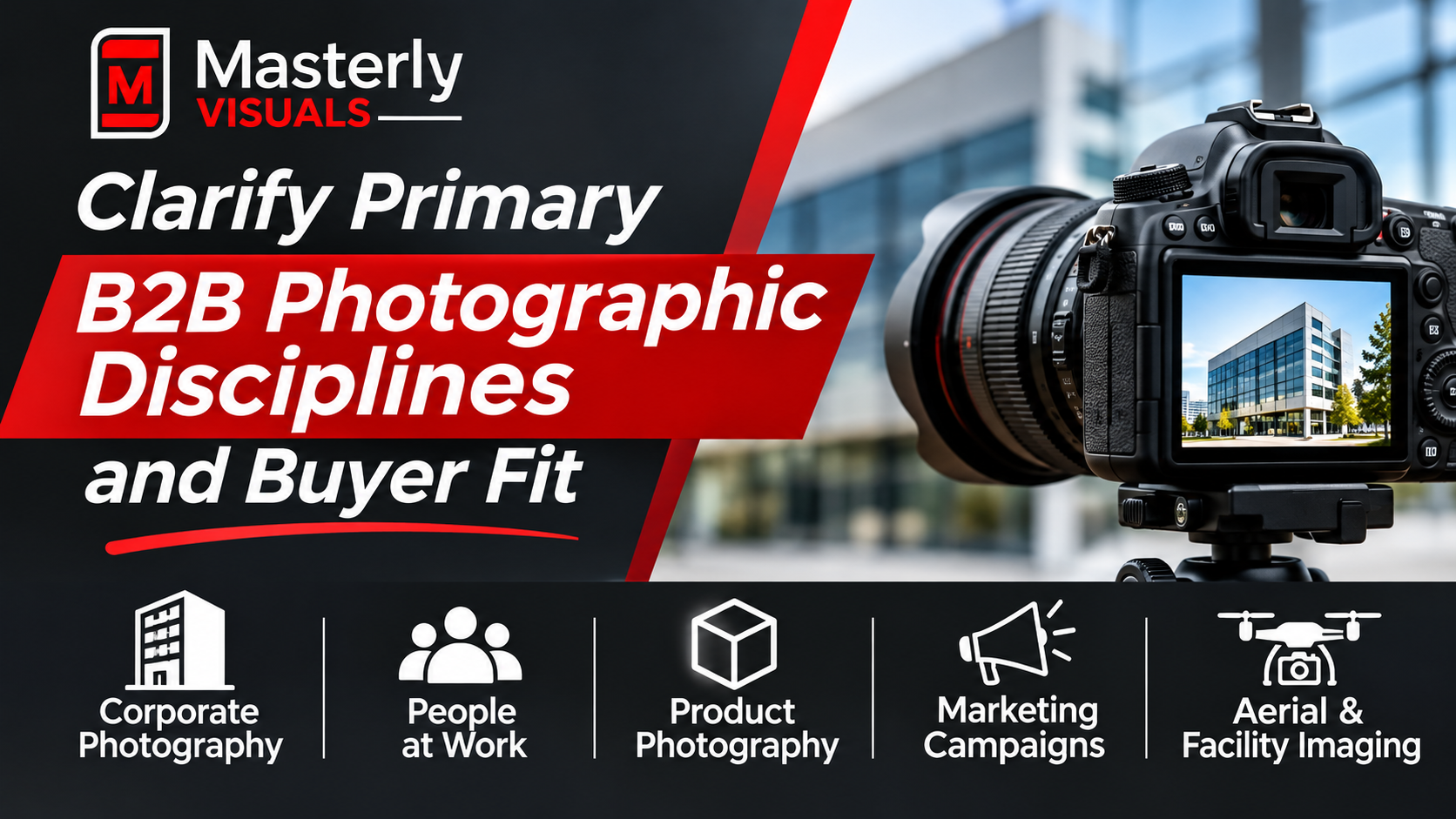
A business may have excellent products, experienced employees, and strong customer relationships, yet its photographs may fail to communicate that quality. Outdated headshots, inconsistent workplace images, or generic marketing visuals can make it difficult for potential clients to understand what a company offers. When reviewing a commercial photographer credibility portfolio , business buyers need more than attractive photographs. They want evidence that the photographer understands corporate requirements, production planning, brand consistency, and the intended use of each image. A marketing director may need campaign photography. A professional services firm may need executive portraits. A developer may need architectural images that accurately present a property. These projects require different planning decisions and deliverables. Masterly Visuals provides profess ional commercial photography for businesses, agencies, corporate teams, and organizations seeking images that support their marketing and communication goals. Based in Atlanta's Buckhead area, the studio offers commercial photography services spanning corporate portraits, product photography, architecture, events, and brand imagery. 1. Clarify Primary B2B Photographic Disciplines and Buyer Fit Commercial photography serves different business purposes. The right production approach depends on the subject, intended audience, and marketing objectives. A company's photography needs may involve its people, products, facilities, operations, or customer-facing experiences. Corporate Photography and Executive Portraits Professional firms and corporate organizations often need consistent photographs of their leadership and employees. These im ages may appear on company websites, executive biographies, recruiting materials, press releases, and professional profiles. A corporate photography portfolio should help buyers evaluate lighting, composition, background choices, and visual consistency. Masterly Visuals offers executive headshots, team photography, and workplace imagery for organizations seeking a coordinated professional appearance. Commercial Brand Photography Commercial brand photography focuses on showing how a business, product, or service should appear to its intended audience. Projects may involve employees working, customers interacting with products, or business environments that communicate the company's identity. These images can s upport advertising campaigns, websites, social media, presentations, and printed marketing materials. Unlike generic stock photography, commissioned brand imagery can reflect the company's actual people, locations, and offerings. Product and Advertising Photography Retail brands, manufacturers, and ecommerce businesses may need photographs that present products clearly and consistently. Projects can include catalog images, styled product scenes, promotional visuals, and campaign assets. Production requirements may involve lighting, backgrounds, product preparation, retouching, and multiple image formats. Masterly Visuals can discuss product and advertising photography requirements as part of a customized commercial project. Architectural and Event Photography Commercial property owners, developers, hospitality businesses, and design firms may require architectural photography to present their spaces. Corporate event photography serves a different purpose by documenting conferences, executive meetings, awards programs, and business gatherings. Each discipline requires an approach suited to the location, schedule, and intended deliverables. Masterly Visuals offers both services, allowing business buyers to inquire about photography relevant to their projects. 2. Explain Production Planning, Delivery and Image Usage Processes Business photography involves more than scheduling a photographer and receiving finished pictures. Companies need confidence that the production will address their objectives, fit their schedule, and provide images suitable for their intended channels. Creative Planning, Shot List, and Project Scope Before production, commercial photography requirements may include the project purpose, audience, visual direction, locations, subjects, and expected deliverables. A brand photography session typically lasts 2 to 8 hours depending on project needs and scope. For example, a corporate photography project may involve multiple executives, consistent backgrounds, and images suitable for different website layouts. A product campaign may require individual product photographs alongside wider advertising compositions. Masterly Visuals describes a production approach built around creative planning, professional photography, editing, and image delivery. The exact scope can be established during a project consultation. Photography Production and Coordination Business photography may involve coordination before the session with marketing managers, company representatives, employees, property managers, or other stakeholders. The number of locations, subjects, required setups, and available shooting time can affect the production plan. Some projects may need studio photography, while others require on-location coverage. Clear expectations help both the photography provider and client understand the work being requested. Editing and Final Image Delivery Professional editing supports consistent color, composition, and visual presentation. Depending on the project scope, clients may receive a curated gallery of images 1-2 weeks after the shoot, along with a polished collection for reuse across marketing channels. Depending on the project, final images may need to work across websites, digital advertisements, social media, presentations, or print materials. Delivery requirements can include resolution, file format, image orientation, and the number of completed photographs. These details should be confirmed within the agreed project scope rather than assumed. Image Usage and Licensing Commercial photography agreements should address how the client intends to use the images. Usage for a company website may involve different considerations from paid advertising, packaging, or broad campaign distribution. Licensing terms, permitted uses, and any applicable restrictions should be clarified before production is finalized. Masterly Visuals can discuss intended commercial applications during the project inquiry and proposal process, and confirm how the photos will be used online or in print. 3. Use Only Approved Original Portfolio and Factual Credentials A commercial portfolio should help business buyers evaluate photographic work relevant to their needs. For professional clients, credibility comes from seeing suitable examples, understanding the services offered, and receiving clear information about the photographer's capabilities. Why Original Portfolio Images Matter A portfolio is most useful when its examples represent actual photography work. Original images allow prospective clients to evaluate composition, lighting, technical execution, and visual style. A business reviewing executive portraits may prioritize consistent lighting and natural presentation. A manufacturer evaluating product photography may focus on detail, accuracy, and image quality. Different projects require different forms of visual evidence. Evaluating Relevant Photography Experience Masterly Visuals identifies Drew Rhoden as its lead photographer and describes his experience across commercial, portrait, architectural, and event photography. The firm's published website also presents information about its studio and photography services. These details help prospective clients understand the business and determine whether its areas of experience align with their project needs. Buyers should be able to distinguish factual professional information from general promotional language. Portfolio Presentation and Client Approval Commercial photographs may involve clients, recognizable individuals, private facilities, branded products, or unreleased campaigns. Portfolio publication should respect applicable permissions, contractual restrictions, and confidentiality requirements. A professional portfolio website should b e visually appealing, easy to navigate, and easily accessible online so the presentation feels confident from the first visit. Where project-specific images are available and approved for display, they can help prospective clients evaluate relevant work. Masterly Visuals' published portfolio and service information provide a starting point for discussing photographic style, project fit, and overall aesthetic. A consistent aesthetic across projects helps build client confidence in a photographer's capabilities. A commercial photographer credibility portfolio is most valuable when it supports an informed business decision rather than relying on unsupported claims about results. 4. Add Clear Service Navigation for Quote-Ready Prospects Business buyers often arrive at a photography website with a specific project already in mind. A marketing manager searching for campaign images has different needs from a corporate executive arranging team headshots. Clear service categories help prospective clients identify the most relevant photography offering. Corporate Photography for Business Teams Companies seeking executive portraits, staff photography, or workplace images can explore Masterly Visuals' corporate and headshot photography services. These services may be relevant to professional firms, organizations updating their websites, and businesses preparing recruiting or public relations materials. A coordinated photography project can also support consistent visual presentation across departments. Product Photography for Commercial Campaigns Brands needing product images can discuss requirements involving catalogs, ecommerce listings, advertising, and promotional materials. The number of products, image variations, styling requirements, and final usage may influence the proposed scope. A focused project inquiry helps determine which photography services are appropriate. Event and Architectural Photography Corporate event organizers may need coverage of executives, presentations, attendees, and branded spaces. Developers, property owners, and hospitality businesses may need photographs emphasizing architectural design, interiors, and commercial environments. Masterly Visuals publishes service information across these photography categories, allowing prospective clients to explore the type of work relevant to their needs. Choosing the Right Commercial Photography Service A company may need more than one category of photography. For example, a business preparing a website redesign might require executive portraits, workplace scenes, and images of its facilities. Rather than treating these as unrelated assignments, a consultation can help establish whether they belong within one coordinated production. The appropriate service combination depends on the client's objectives, schedule, and available budget. 5. Introduce a Concise, Consultative Project Inquiry Path A commercial photography inquiry should help the business and photography provider determine whether the proposed work is a suitable match. Business buyers often need clarity about production requirements, expected deliverables, scheduling, and pricing before approving a project. Discussing Business and Creative Requirements A consultation may cover the company's marketing objectives, intended audience, preferred visual style, and image applications. It may also address the number of subjects, locations, product variations, and other production needs. For larger projects, multiple decision-makers may participate in reviewing the creative direction. These details help establish a more accurate scope for a photography proposal. Understanding Project Quotes Commercial photography pricing can vary according to production complexity, with some projects priced partly by session length or overall production time. Relevant considerations may include shoot duration, locations, staffing, equipment requirements, styling, editing, licensing, and delivery expectations. A customized proposal can explain the agreed work and associated terms. This allows the prospective client to compare the proposed services with the needs of the campaign or business, making it easier for interested prospects to compare scope and services. Why a Consultative Approach Matters Businesses in vesting in professional imagery need more than a photographer who can produce attractive pictures. They need photography aligned with their intended marketing applications and internal approval process. Masterly Visuals offers commercial photography services centered on business branding, creative planning, production, editing, and delivery. A photography project inquiry provides an opportunity to discuss the assignment, confirm relevant capabilities, and request a proposal suited to the project. Commercial Photography That Captures Every Detail of Your Brand Professional com mercial photography helps businesses capture the essence of their products, people, and environments. From carefully composed detail images to wider workplace scenes, every photograph can help communicate a brand's story and personality. In today's visual world, generic stock photos may not accurately represent a company's real operations. Masterly Visuals provides commercial photography services that bring business environments to life, helping brands connect with customers through authentic imagery that reflects their identity. Interior Photography That Showcases Design and Creative Vision Fo r interior designers, property developers, and hospitality businesses, professional photography plays an important role in showcasing completed projects. A creative mood board can help communicate the desired visual direction before production, while lighting, composition, and carefully selected props contribute to the final presentation. The idea is to highlight architectural details, materials, and the overall character of each space. Masterly Visuals can discuss interior and architectural photography requirements with businesses seeking images for websites, portfolios, and marketing campaigns. Product, Fashion, Food, and Lifestyle Photography for Brands Commercia l photography supports businesses across fashion, food, retail, and lifestyle industries. Depending on the project, a production may involve professional models, product styling, creative artists, and specialized photography tools. The goal is to create images that help products shine and support how brands sell their offerings. Whether images appear in an advertising campaign, ecommerce listing, or social media post, Masterly Visuals can discuss suitable photography services based on the company's products, creative requirements, and intended image usage. Professional Photography Experience Behind Every Commercial Project A successful commerc ial photography job involves more than operating a camera. It requires technical talent, creative judgment, production coordination, and hard work. Not everyone needs the same visual approach, which is why each business project should reflect its own objectives. A photographer's professional history and creative journey can help buyers evaluate relevant experience, while an understanding of visual art supports thoughtful composition and presentation. M asterly Visuals offers commercial photography services for businesses seeking professional imagery aligned with their brand requirements. Creative Planning and Approved Production Details Commercial photography projects often require a mix of creative direction, location planning, styling, and client approvals. Business teams may be excited about a new campaign, but important decisions should be clearly defined before production. Creative requirements, deliverables, and image usage should be discussed so that unexpected issues are less likely to happen during the project. Where applicable, agreements should be signed before production begins to establish the approved scope. Masterly Visuals can work with prospective clients to clarify project expectations and provide a pro posal based on the requested services. Why Custom Photography Matters More Than Generic Images A business's vi sual identity should communicate what makes its products, employees, and services distinctive. Generic stock photography may no longer be enough, anymore, for brands seeking to present their actual operations and build customer confidence. Custom photographs can highlight real environments, product features, and professional teams. Rather than relying on general photography tips, businesses can seek professional services suited to their marketing needs. Masterly Visuals offers commercial photography options for companies ready to invest in images that accurately represent their work . A Consultative Photography Approach for Business Clients Businesses searching f or a few tips about selecting photography services may be curious about production planning, creative capabilities, and project deliverables. Frankly, there is no single photography approach that works for every business. The appropriate solution depends on the subject, intended audience, visual direction, and marketing use. Masterly Visuals can discuss these requirements during a commercial photography inquiry, helping prospe ctive clients understand the available services and request a proposal suited to their project.
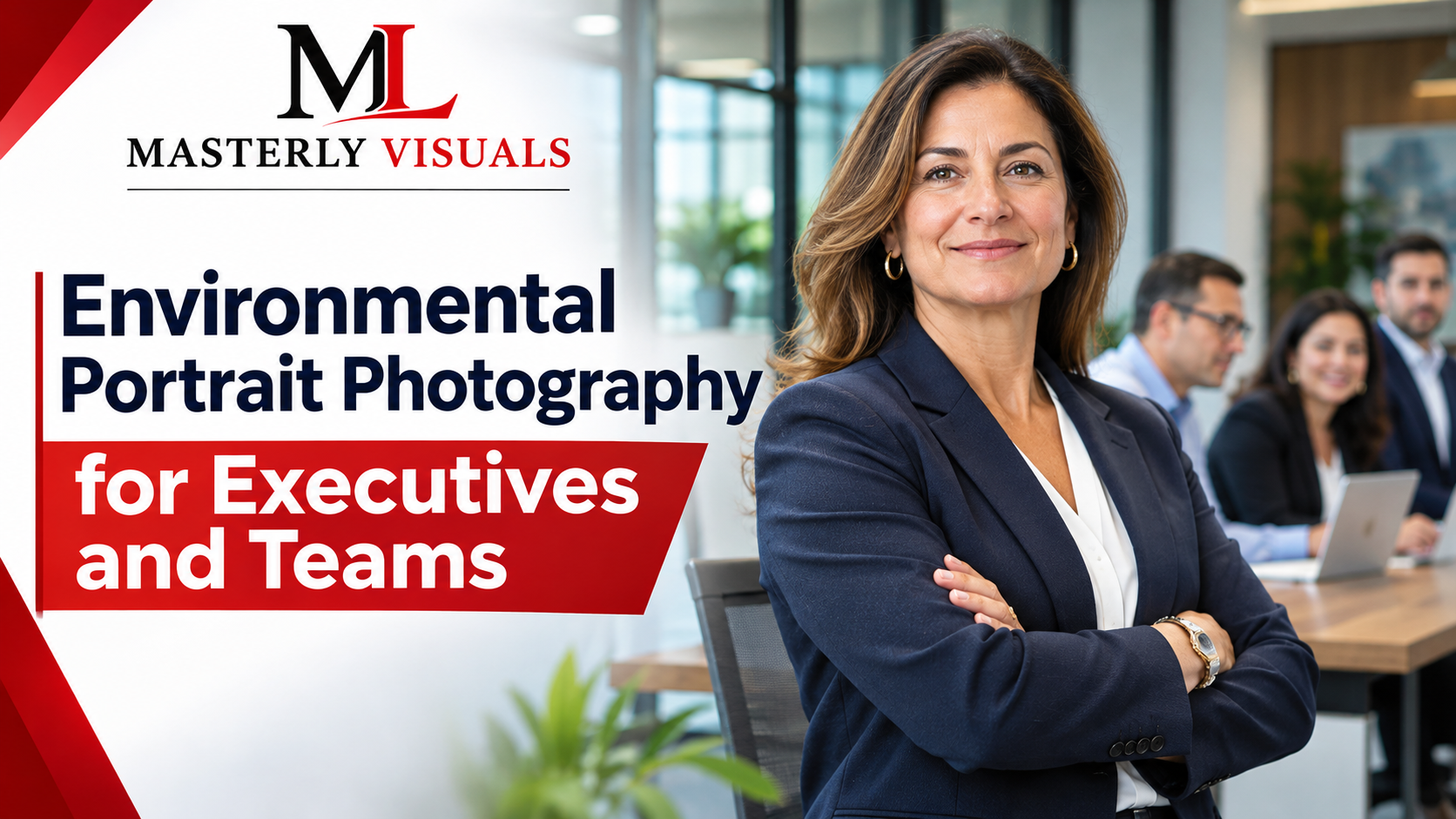
A leadership team may have years o f experience, strong business results, and a respected reputation. Yet outdated headshots or inconsistent employee photographs can make the organization appear disconnected. When executives are photographed against different backgrounds, with varying lighting and visual styles, company websites, annual reports, and recruiting materials may lack a clear brand identity. Professional environmental portrait photography helps businesses present executives and teams in the workplaces where they lead, collaborate, and deliver results. Unlike traditional studio headshots, environmental portraits combine professional portraiture with meaningful workplace settings. They give audiences a clearer understanding of the people behind an organization. For marketing directors and corporate communications teams, these photographs can support leadership pages, recruitment campaigns, investor communications, and professional publications. Masterly Visuals provides on-location commercial and environmental portrait photography for businesses seeking coordinated executive and team imagery. Our team helps organizations define their visual direction, workplace locations, and photography requirements. Why Environmental Portrait Photography Matters for Corporate Branding Corporate portraits are often among the first images customers, employees, investors, and business partners see. A photograph of an executive in an actual workplace can communicate both professional identity and organizational context. Showing Leadership in a Meaningful Environment A traditional headshot focuses mainly on the individual. An environmental portrait includes surroundings that help explain the person's work. For example, a manufacturing executive may be photographed near a production facility, while a technology leader may appear in a development workspace. These settings provide context without requiring lengthy explanations. The goal is to create a professional image that represents the subject's actual role. Building Consistency Across Leadership Teams Organizations often collect executive photographs over several years. Different photographers, locations, and editing styles can produce a collection that feels inconsistent. A coordinated portrait project helps establish similar lighting, composition, color treatment, and framing across departments. This allows individual personalities to remain visible while maintaining a unified corporate presentation. Supporting Business Credibility Authentic workplace imagery can help audiences connect a company's claims about its expertise with the people responsible for its services. Professional environmental portraits are particularly useful for businesses whose employees, technical knowledge, and leadership experience are important to their brand. Choosing Locations That Communicate Professional Credibility The setting is an important part of an environmental portrait. However, not every office, conference room, or facility provides the right background. A suitable location should communicate something meaningful about the subject while keeping attention on the person being photographed. Executive Offices and Leadership Spaces Executive offices, boardrooms, and conference areas may work well for senior leadership portraits. These spaces can communicate responsibility, decision-making, and organizational identity. The photographer may use architecture, furnishings, and workplace details to create visual depth. Backgrounds should appear natural without introducing unnecessary distractions. Operational and Technical Environments Manufacturing facilities, engineering workspaces, laboratories, warehouses, and other operational environments can provide relevant context. These settings may help show the practical experience behind a leadership role, with meaningful elements in the scene supporting that story. Photography in technical or industrial locations requires consideration of safety, access restrictions, and confidentiality. A professional photographer can evaluate which areas are suitable for the proposed session. The photographer may use architecture, furnishings, workplace details, and the office space around the subject to create visual depth and reinforce context. Client-Facing and Collaborative Spaces Professional services firms may prefer portraits in meeting rooms, consultation areas, or collaborative workspaces. These environments ca n support a welcoming and approachable visual identity. The selected background should reflect the company's actual operations rather than create a misleading impression. Masterly Visuals can discuss location choices and photography arrangements based on the organization's brand goals. Planning Executive and Team Photography Across Departments A corporate portrait project may involve senior executives, department leaders, managers, and specialized employees. Coordinating these participants requires a clear production schedule. Scheduling Around Executive Availability Leadership teams often have limited availability because of meetings, travel, and operational responsibilities. Photography sessions can be arranged around approved time blocks and suitable workplace locations. Larger organizations may benefit from grouping participants by department or location. The required schedule depends on the number of subjects, environmental setups, and final image needs. Wardrobe and Professional Presentation Wardrobe planning supports consistency across the final image collection. However, employees should still appear appropriate for their roles. For example, business executives may wear professional office attire, while operational managers may appear in uniforms or required safety equipment. A coordinated approach helps preserve each employee's identity without creating conflicting visual styles. Background and Natural Light Consistency Different departments may have different lighting conditions and interior designs. An executive office may receive natural window light, while a production facility may require additional controlled lighting. Professional planning helps maintain a consistent appearance across these environments. The objective is not to make every photograph identical. Instead, the images should share a recognizable visual style. Creating Consistent Environmental Portraits Across Multiple Locations Companies with several offices or facilities may need leadership portraits from different locations. This creates additional challenges because architecture, lighting, and workplace environments can vary. Establishing a Shared Visual Direction A corporate photography brief can define preferred backgrounds, composition, lighting, wardrobe, and editing. These standards allow portraits from different locations to appear connected. For example, a company may request similar framing and color treatment while allowing each location to communicate its unique role. Coordinating Regional Offices and Teams Multiple-location projects may require separate photography schedules, building access arrangements, and local coordinators. A clear project scope should identify the number of sites, participants, and expected final images. Travel requirements and production arrangements should also be discussed before the estimate is approved. Maintaining Image Quality Over Time An organization may photograph new executives several months after its original leadership session. Maintaining the approved photography style helps new images fit the existing collection. Documented visual standards can support future photography updates, although exact consistency depends on the locations and production conditions. Using Environmental Portraits in Annual Reports, Recruiting, and Leadership Pages Corporate environmental portraits can support several communication channels. A coordinated image library helps marketing teams select photographs that match different business messages. Leadership and About Pages Company websites often introduce executives through biographies and photographs. Environmental portraits can show each leader within a professional setting while maintaining a consistent brand appearance. These images may also appear in corporate directories and executive profiles. Annual Reports and Corporate Publications Annual reports often include messages from leadership, organizational achievements, and descriptions of business operations. Environmental portraits can connect these narratives to real employees and workplace settings. Marketing teams may request both vertical portraits and wider compositions suitable for publication layouts. Recruitment and Employer Branding Candidates may want to see the people and environments connected to a potential employer. Photographs of actual managers and employees can support careers pages, recruitment campaigns, and employer branding materials. Images should represent the organization's real workplace rather than rely on generic stock photography. Press and Corporate Communications Environmental portraits may also support press releases, speaking engagements, professional biographies, interviews, and corporate announcements. A coordinated collection gives communications teams access to approved images for different publications. Image Selection, Editing, Licensing, and Final Delivery Professional photography involves more than the time spent taking pictures. Marketing teams also need clear expectations about editing, approval, usage rights, and final deliverables. Reviewing and Approving Portrait Selections The project agreement should identify who will select or approve final photographs. A designated marketing or communications representative can help consolidate feedback from leadership teams. This can reduce conflicting requests and support an organized approval process. Editing and Visual Consistency Editing may include exposure adjustments, color correction, cropping, and appropriate portrait refinements. The agreed editing approach should maintain a natural, professional appearance. Consistent treatment helps portraits appear coordinated across publications and departments. Commercial Usage Rights Businesses should clarify how photographs may be used. Licensing considerations may include company websites, advertising, internal communications, press distribution, geographic reach, and usage duration. Employee image releases or other permissions may also be relevant. These requirements should be addressed before production. File Delivery and Organization Final deliverables may include high-resolution images for publications and optimized versions for websites or digital communications. The project scope should identify image quantities, file formats, editing requirements, and delivery expectations. Organized filenames and folders can help marketing teams manage the collection. Planning an Environmental Portrait Photography Update Schedule Executive and team photographs can become outdated when organizations grow or change. Leadership appointments, office relocations, new departments, and rebranding projects may create a need for updated imagery. Updating Portraits When Leadership Changes New executives may need photographs that match the existing leadership collection. An established visual direction helps maintain consistency when new portraits are commissioned. Refreshing Images After Workplace Changes Office renovations, facility expansions, or major changes in operations may also require new environmental images. The background should continue to reflect the person's actual workplace. Reviewing the Corporate Image Library Marketing teams may periodically evaluate whether their approved photographs still represent current employees, locations, and brand messaging. There is no universal replacement schedule. The appropriate update frequency depends on organizational changes and communication needs. How Masterly Visuals Supports Executive and Team Portrait Photography Corporate photography should reflect the people and professional environments that make an organization distinctive. Masterly Visuals provides environmental portraits, workplace photography, executive imagery, and commercial brand photography for businesses. Portraits Built Around Your Organization Our photography services can be scoped around leadership teams, departments, workplace environments, and intended marketing uses. Each organization may require a different visual approach. Coordinated On-Location Photography Masterly Visuals specializes in photographing leaders and teams within actual business locations. Planning can consider the participants, workplace conditions, lighting, and creative direction. Professional Images for Corporate Communications A coordinated project can provide portraits for leadership pages, annual reports, recruitment materials, and other approved business uses. The final deliverables, licensing terms, and production requirements are established through the project agreement.

People-at-work commercial photography supports recruiting, sales, and brand credibility. Build an authentic workplace image library with Masterly Visuals today.

Retail Photography for Storefronts, Products, and Customer Experience. Showcase your space and merchandise with professional visuals from Masterly Visuals. Explore.

Plan advertising campaign photography with images tailored to digital, print, and social media. Request a commercial photography proposal from Masterly Visuals.