What Is Commercial Photography? Where Businesses Use It Across Sales, Recruiting, and Brand Content
Commercial photography is one of those terms that sounds self-explanatory until you need to commission it. This guide breaks down the commercial photography definition, walks through the types of commercial photography organizations rely on, and maps out where businesses put those images to work across sales, recruiting, and brand content.
What Is Commercial Photography? (Clear Answer Up Front)
Commercial photography is photography created to sell products, promote services, or support a business objective. The defining feature is purpose: these are not personal snapshots or fine art prints. They are images built to generate revenue, attract talent, or communicate with stakeholders. Commercial photography promotes products, services, or brands, and every decision in the process serves a specific business goal.
A commercial image might appear on a product page, inside an annual report, across a recruiting portal, or in a paid social campaign. The images are typically licensed with specific terms covering where they appear, for how long, and whether the client holds exclusive rights. Editorial images, by contrast, cannot be used for direct commercial advertising without separate releases and permissions.
The easiest way to understand the line: a wedding photographer produces personal images for a couple's memories. A photographer shooting a product launch for use on packaging and advertising campaigns is doing commercial work. Within the commercial category, advertising photography focuses on specific campaign concepts, while corporate photography handles ongoing business communications like executive portraits, workplace scenes, and internal materials. Brand photography overlaps with both, emphasizing consistency in visual identity across all channels. Masterly Visuals focuses on planning cohesive business image libraries rather than one-off shoots, helping organizations build a brand identity that holds together across every touchpoint.
Why Commercial Photography Matters for Modern Businesses
Visuals are often the first interaction customers have with brands. On a website, a LinkedIn profile, or a proposal deck, images form an impression before a single word gets read. In today's visually driven world, where most customer interactions happen on screens, that first impression often takes less than a second.
High-quality images can increase customer engagement by 94%. Professional imagery helps businesses stand out from competitors who rely on generic stock photos or phone snapshots. Stock images fail on two fronts: they lack brand distinction (multiple companies end up using the same visual cues), and they lack authenticity. Audiences notice. Commercial photography can differentiate a brand and influence purchasing decisions because the images feel specific to the organization rather than interchangeable.
Consider concrete use cases. A technology firm features a hero image on its homepage showing its actual workspace and team using the product. A healthcare group runs a recruiting campaign with environmental portraits of staff across clinics. A law firm needs partner portraits and office architecture shots for its website, brochures, and pitch decks. These are not one-time asks; they recur every time the company launches a new service, hires new leadership, or refreshes its marketing strategy.
A planned commercial image library reduces future costs and speeds up content creation for marketing teams and HR departments. Instead of rebooking shoots and renegotiating usage rights each quarter, organizations that invest in a library upfront gain a cache of on-brand images ready for campaigns, web updates, proposals, and recruiting materials. Effective commercial photography can boost sales, strengthen brand perception, and build trust over time.
Types of Commercial Photography (Core Categories and Different Uses)
The different types of commercial photography are defined by their business use, not just visual style. Commercial photography includes product, food, and fashion photography, along with several other categories. Many commercial photographers combine several of these when building a business image library.
Advertising photography creates images for marketing campaigns and promotions. These are concept-driven visuals for billboards, print ads, display advertising, and large-scale social campaigns. Lighting, set design, and creative direction are central.
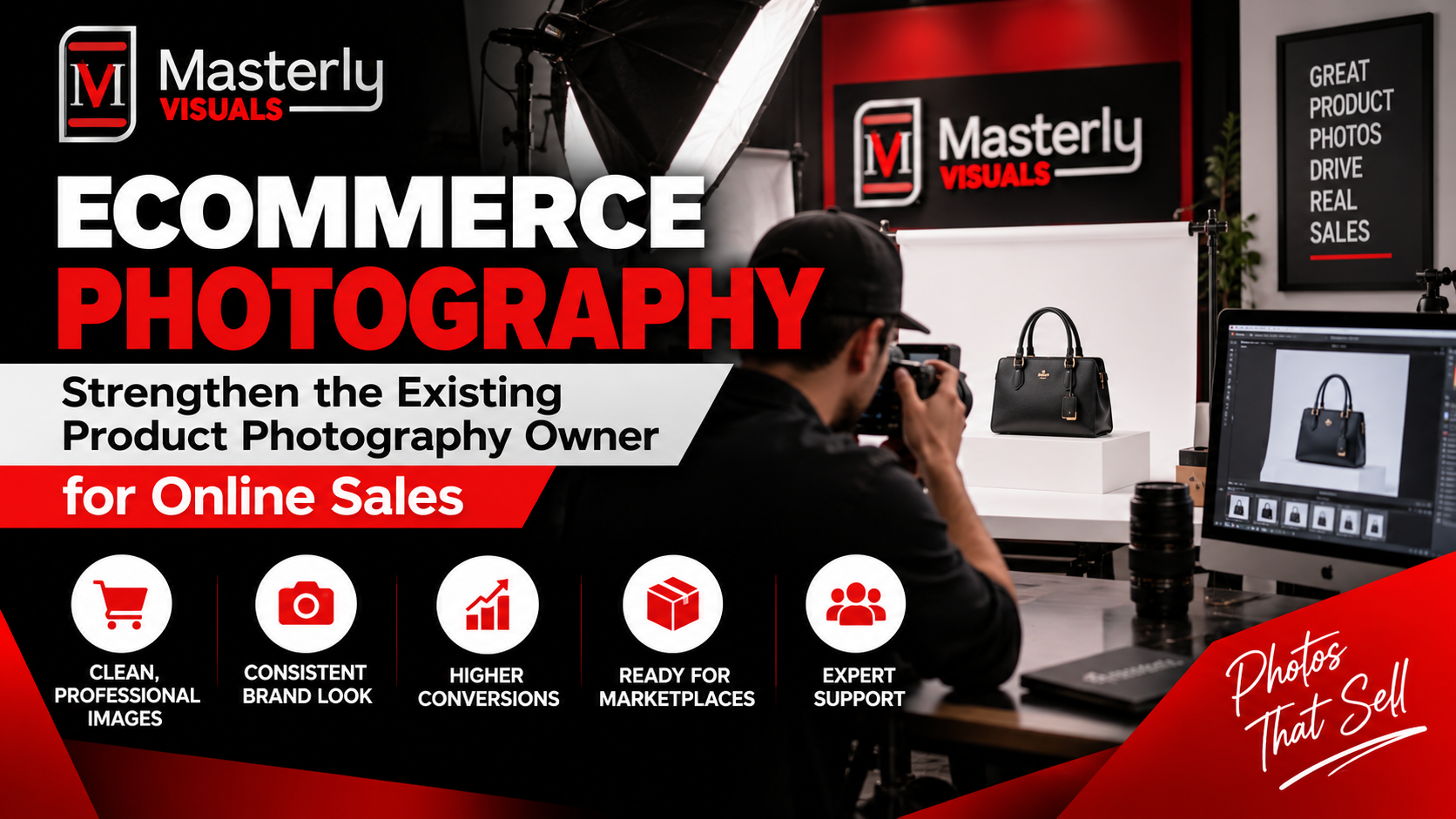
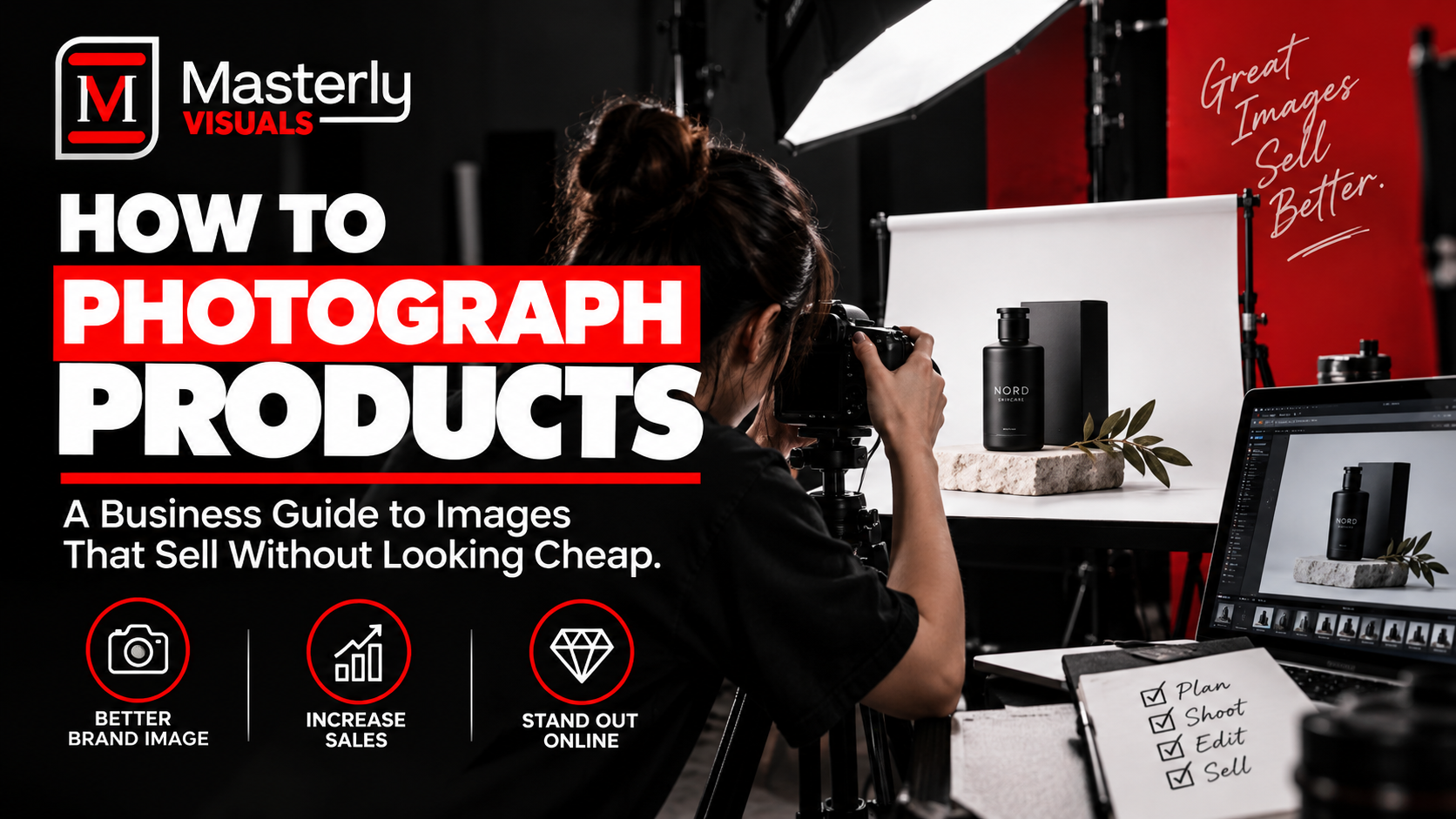
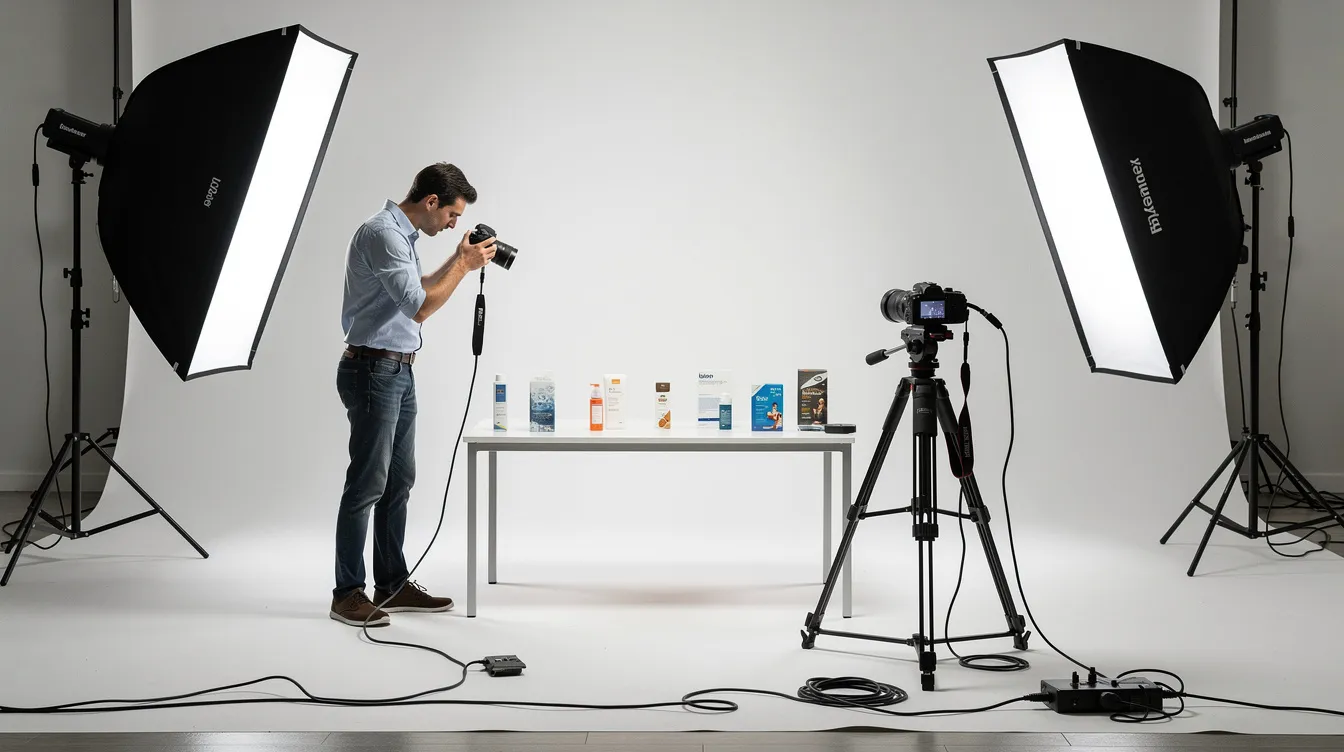
Product photography is essential for e-commerce websites and catalogs. It focuses on showing a particular product with clarity, accurate color, and controlled reflections. Resolution and sharpness matter when customers expect zoom or 360-degree views.
Food photography captures dishes to entice customers visually. Restaurants, hotels, and CPG brands rely on it for menus, packaging, social media, and advertising. Stylists, food prep experts, and precise lighting keep food looking fresh.
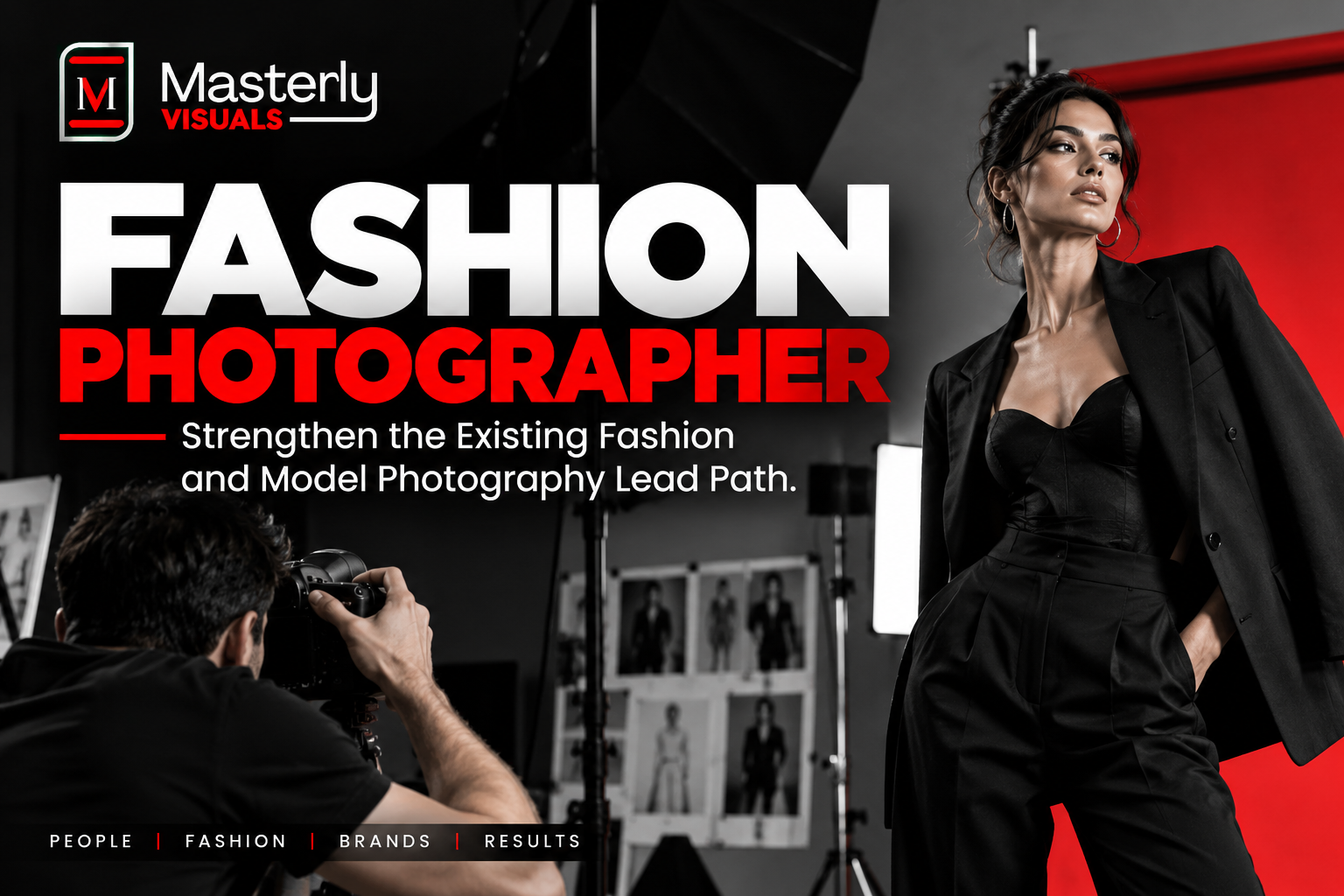
Fashion photography showcases clothing and accessories for brands. Lookbooks, runway promotions, and seasonal campaigns require collaboration with models, stylists, and hair and makeup artists. Cohesion with the brand's seasonal identity is a priority.
Corporate and headshot photography covers professional portraits of leaders, staff, and teams for websites, annual reports, LinkedIn, and internal communications. Corporate portraits humanize the brand and build trust with clients and prospects.
Real estate photography serves developers, hospitality brands, and corporate campuses. Perspective control, time-of-day scheduling, and wide-angle techniques make spaces feel livable or aspirational.
Lifestyle and brand photography shows products being used in realistic settings. It emphasizes context, candid interaction, and authenticity over studio control, feeding social media and content marketing channels.
Advertising Photography vs. Other Commercial Photography
Advertising photography is concept-driven work tied to a specific marketing campaign. A national clothing brand might commission a "spring renewal" campaign for billboards and display ads across multiple media channels. The images tell a story, capture attention fast, and carry a specific message.
Contrast that with evergreen product page photos for the same brand's e-commerce site. Those images need consistency, color accuracy, and clean backgrounds rather than conceptual storytelling. The same applies to corporate headshots or facility documentation; clarity and reliability matter more than creative narrative.
On advertising campaigns, the commercial photographer collaborates with art directors, copywriters, and media planners. Commercial photography involves collaboration with marketing teams to align visuals with campaign goals. Catalog and corporate shoots follow established brand guidelines with less experimentation.
Key Commercial Photography Specialties Businesses Commonly Use
These specialties are the practical buckets most organizations encounter when planning a shoot.
Product photography priorities include accuracy, reflection control, and color consistency. E-commerce brands need Amazon-style images, software companies need UI screenshots in context, and CPG companies need packaging mockups. Each image tells a story about the particular product's quality and details.
Food photography for restaurants, hotels, and packaged goods brands demands timing and precision. Natural light windows are narrow, food loses its appeal quickly, and props and plating affect whether an image sells the dish. Stylists often work alongside the photographer to maintain the best light and freshness.
Fashion photography for apparel brands, retailers, and lookbooks is a collaboration between the photographer, stylists, models, and hair and makeup teams. A fashion editorial or seasonal campaign needs to align with the brand's visual identity and capture the creativity that draws new customers.
Real estate photography and architectural imagery for developers, hotels, offices, and campuses require knowledge of space, perspective, and time of day. Drone or aerial work may be part of the scope. These images support leasing, sales, and investor materials. Each specialty feeds into a broader brand photography library that the organization can draw from across departments.
What Does a Commercial Photographer Actually Do on a Project?
A commercial photographer translates business goals into usable images. The process starts well before anyone picks up a camera.
1. Discovery. The photographer meets with marketing, HR, or communications teams to understand target audiences, channels, and brand identity.
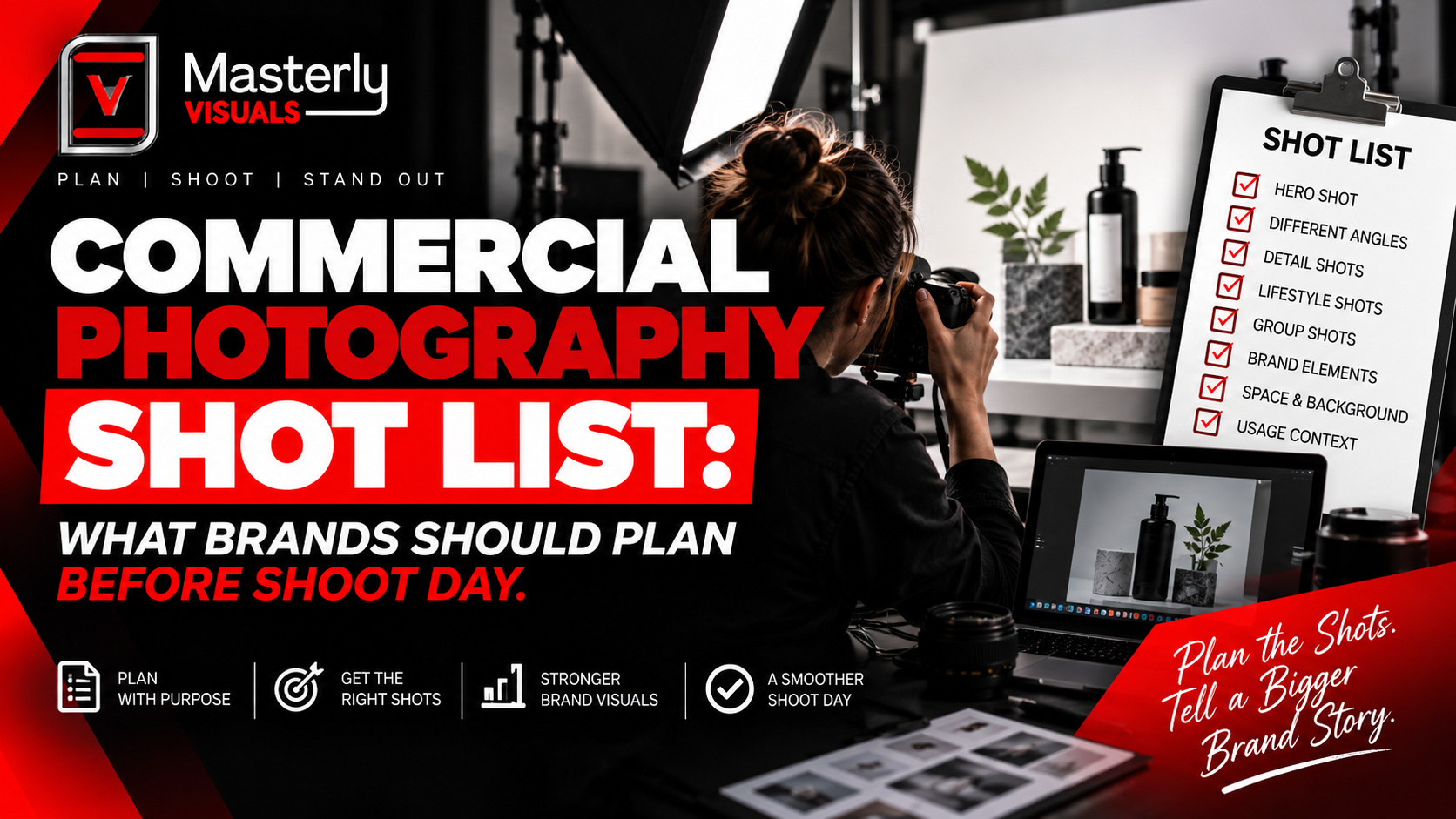
2. Creative brief and shot list. A detailed plan defines image types, lighting approach, props, talent, and locations. This is where the client's vision gets translated into a production plan.
3. Pre-production. Location shoots are scouted, model releases and location permissions secured, and stylists or assistants hired. Mood boards align expectations.
4. Shoot day. The photographer manages lighting setups, directs people who are not professional models, and varies compositions to cover multiple crops and aspect ratios for websites, social feeds, and print. Camera settings, lens selection, and creative vision all come into play. Taking pictures for commercial work is not the same as casual photography; attention to detail is the difference between a usable business asset and a deleted file.
5. Post-production. Color correction, distraction removal, perspective adjustments, and file preparation for web and print. Commercial photography often requires specialized lighting and extensive post-processing to reach the final image. Ethical retouching matters: especially with people imagery, avoid misrepresentation.
Masterly Visuals often helps clients think beyond a single campaign toward a reusable commercial image library, creating images that serve multiple departments and channels over time.
Business Use Cases: Where Organizations Use Commercial Images
Planning a photo library starts with knowing where images will live. Here are the channels most organizations need to cover.
Websites and landing pages. Home hero scenes, service pages, and team sections. Environmental portraits and candid collaboration scenes perform well. High-quality images on landing pages directly impact purchasing decisions and conversion rates.
Advertising and social campaigns. Paid social, email marketing, display ads. Strong emotional or aspirational content works here. Social media photography maintains audience engagement across platforms. Images need to be cropped for multiple aspect ratios.
Recruiting and employer branding. Careers pages, LinkedIn Life tabs, onboarding materials. Culture snapshots, team interactions, and workspace photos attract talent. These pictures give candidates a sense of life inside the company.
Corporate communications. Annual reports, ESG reports, investor decks, press kits. Leadership portraits of prominent people, facility photos, and process visuals need polish and consistency.
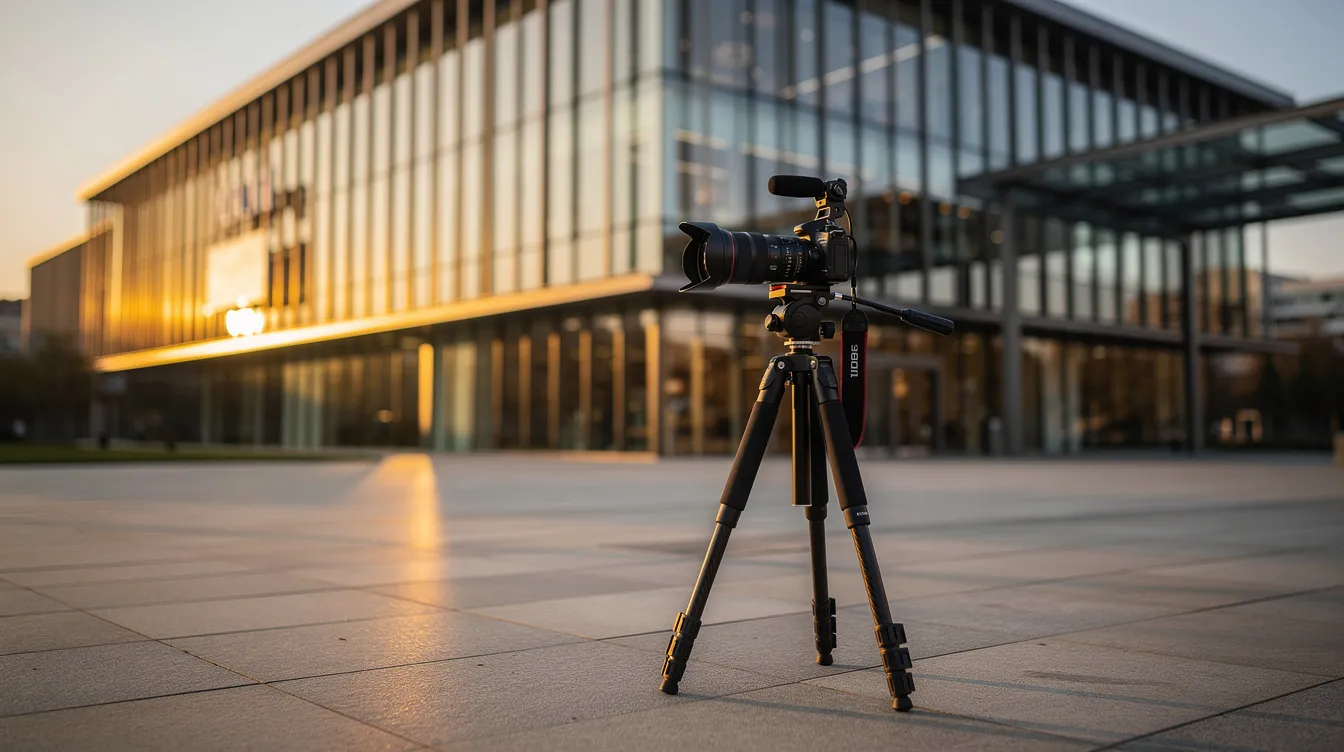
Facilities and operations. Offices, plants, labs, hospitality spaces, retail interiors. Wide room overviews, architectural details, and exterior shots support leasing, investor materials, and facility marketing.
Planning for all these channels at once is more efficient than booking separate, ad hoc shoots. A single well-planned session can produce a range of photos that serve marketing, recruiting, and corporate communications for 12 to 24 months.
Skills and Tools Behind Effective Commercial Photography
Impactful commercial images combine technical expertise, visual storytelling, and business awareness. Commercial photographers need strong technical photography skills: camera control, mastery of lighting (both natural and artificial), composition, and file handling for web and print. Digital cameras and lens selection must match the output requirements of each project.
Editing and retouching form a large part of the work. Commercial photographers must master editing software for color correction, exposure adjustments, perspective fixes, and distraction cleanup. Ethical boundaries apply: with corporate and people imagery, the goal is accuracy, not fantasy. Creativity is essential for successful commercial photography, but so is technical proficiency and attention to detail.
Effective communication skills are vital for commercial photographers. They translate brand guidelines into visual outputs, direct groups during tight timelines, and manage logistics across departments. The ability to work with non-creative stakeholders separates a skilled commercial photographer from someone who is only good at taking pictures.
While a photography degree can be helpful, most businesses should prioritize a photographer's portfolio, reliability, and understanding of brand identity. Review a photographer's previous work to assess their style, consistency, and relevance to your industry.
Planning a Commercial Image Library for Your Organization
A commercial image library is a curated, reusable set of photos that supports marketing, recruiting, and internal communications over 12 to 24 months. The most successful commercial photographers help organizations plan these libraries strategically. Here is a four-step framework:
1. Clarify goals and channels. Are you refreshing a website, launching an employer branding push, or rolling out a new service? Each goal shapes the shot list.
2. Audit existing imagery. Identify gaps in people, spaces, products, and processes. In recent years, many organizations find their biggest gap is authentic people imagery.
3. Build a strategic shot list. Organize by themes: people, places, products, processes, brand details. Involve stakeholders from marketing, HR, and leadership so the library serves multiple departments.
4. Maintain consistency. Define a lighting style, color palette, wardrobe guidelines, and brand-aligned locations. This consistency is what turns a folder of photos into a visual identity system.
Masterly Visuals can lead clients through this planning and execution process, helping organizations build a library that works across their world of channels and campaigns.
How to Choose the Right Commercial Photographer for Your Brand
Choosing the right commercial photographer is about fit with your brand, not just technical skill. The photographer's creative vision and unique ideas need to align with what your organization represents.
Review portfolios for experience with similar industries (professional services, hospitality, tech). Look for consistent quality in lighting, color, and posing. The portfolio should demonstrate the ability to tell a coherent brand story, not just isolated pretty pictures. Request references, discuss usage rights and licensing terms, and ask how they approach building a repeatable image style.
A good discovery call question: "How would you approach a two-day location shoot for a corporate website and recruiting campaign?" The answer reveals whether the photographer thinks in terms of business outcomes or just camera settings. Some of the most successful commercial photographers in the local community have achieved great success by treating each project as a partnership rather than a transaction.
Organizations ready to explore a tailored approach to their commercial photography needs can speak with Masterly Visuals to start planning.

FAQs: Commercial Photography for Businesses
What is commercial photography compared with editorial photography or event photography? Commercial photography is created to promote or sell on behalf of a business. Editorial photography accompanies news or magazine content and cannot be repurposed for direct advertising without additional releases. Event photography captures personal or organizational moments (conferences, weddings) for documentation rather than commercial promotion.
Where can my organization legally use commercial images from a shoot? Usage depends on your licensing agreement. Commercial photography is often bound by licensing agreements that specify medium (web, print, billboard), territory (local, national, global), duration, and exclusivity. Broader usage costs more, so clarify terms before the shoot.
How far in advance should we plan a commercial photography project? Four to six weeks of lead time is common for mid-scale projects. Larger advertising campaigns with set design, models, and multiple locations may need two to three months. Planning ahead ensures you capture images that serve your full marketing strategy.
Do we need models, or can we photograph our actual team? Many organizations photograph their own employees. Authentic team photos build trust and feel more genuine. Model releases are still required for commercial use, even for employees.
How often should we refresh our business photography library? Most organizations refresh every 12 to 24 months, or when leadership changes, branding updates, or new services launch. Stale imagery erodes the sense of relevance that customers and talent expect.
Next Steps: Talk with Masterly Visuals About Your Commercial Image Library
Commercial photography is a strategic asset that supports brand identity, sales, recruiting, and corporate communications. A well-planned image library gives your organization consistent, reusable visuals across every channel that matters, from websites and advertising to annual reports and onboarding materials.
Talk with Masterly Visuals about planning and producing a commercial image library for your organization. Call (404) 726-7261 or visit masterlyvisuals.com to start a conversation about visuals that work across campaigns, websites, decks, and internal materials over time.

Recent Posts