




Business Photography: Building a Visual Library That Supports Growth
Business photography is the practice of creating visual content specifically for your organization's brand and communications. Unlike generic stock imagery, professional business photography captures real people, real workspaces, and authentic interactions that reflect how your company actually operates. Whether you call it company photography, business photos, or professional business photography, the goal is the same: build a visual system that serves your website, proposals, recruiting materials, media kits, and sales decks over time.
Brand photography includes images of people, products, workspaces, and processes. It goes well beyond scheduling a single "photo day." Photography can communicate a company's values and quality before any text is read, and effective photography creates a powerful first impression for businesses. Professional photography shapes how people perceive a business, making it one of the most direct ways to connect with clients, recruits, and stakeholders. A strong branding approach answers questions about a business's identity and offerings through visuals alone.
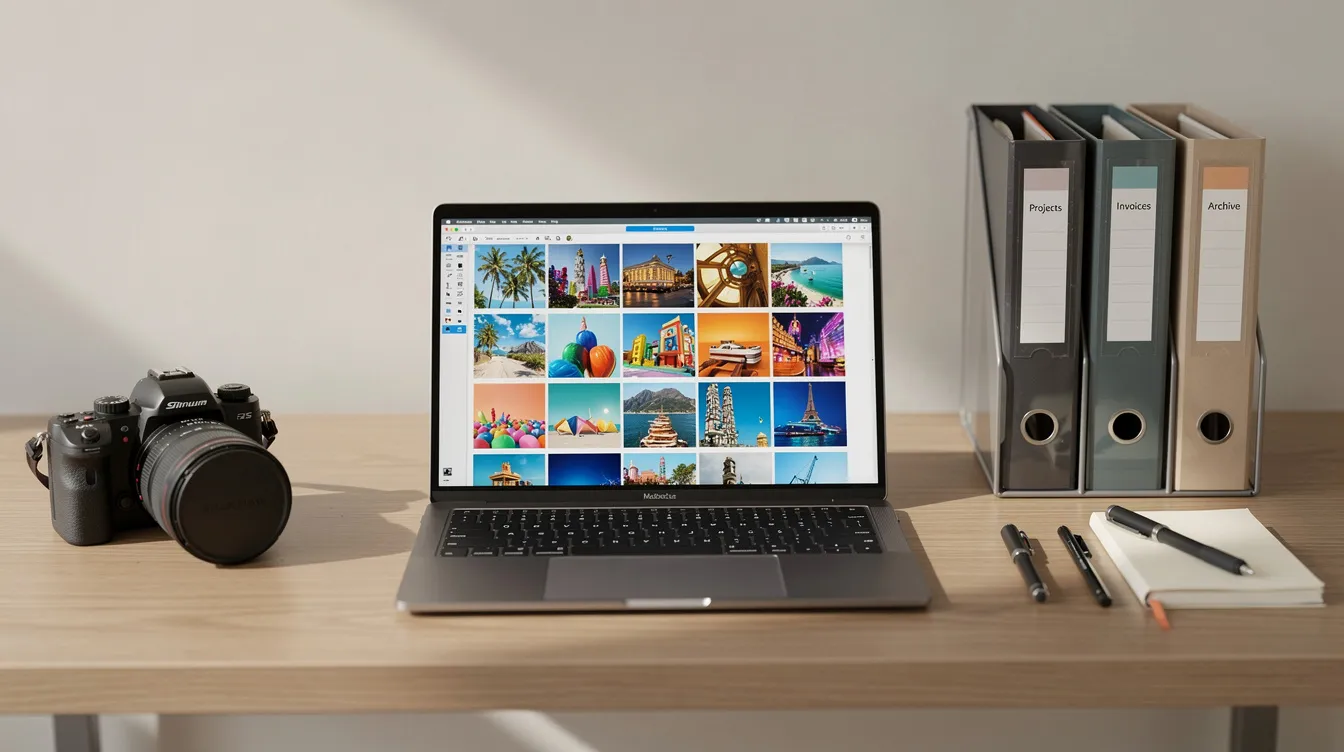
The long-term home for these visuals is a brand image library-a centralized collection of approved images organized for easy use across every channel.
Common uses of business photos include:
- Website hero banners, team pages, and leadership profiles
- Sales proposals and pitch deck covers
- Recruiting and employer brand materials
- Media and press kits for speaking events
- Social media content, email campaigns, and paid ads
- Internal communications and culture storytelling

From One-Off Shoots to a Brand Image Library
Most organizations treat photography as a project: one shoot for the website, maybe another for an annual report. But a "photo day" approach leaves gaps. New hires don't match old portraits, styles drift, and teams scramble for images that don't exist. A strategic brand asset library planned for 12–24 months of campaigns solves this. A brand asset library centralizes all brand assets into a single source of truth, and brand libraries improve access to brand-approved materials so marketing teams never waste time hunting through email threads.
A single photo session can produce reusable images for various marketing purposes, and consistency in photography creates a unified visual identity for brands. Brand asset libraries increase brand consistency across channels-from LinkedIn posts to printed brochures.
Artorius Wealth Management, for example, has partnered with a single photography team since 2018 to build a consistent portrait library across offices in London, Zurich, and Manchester. New team members' portraits match founding partners' style, and the library has supported every website update, press feature, and campaign over several years.
Typical contents of a business photo library:
- Leadership portraits and professional headshots
- Team photos by department or location
- Workplace photography (offices, meeting rooms, labs)
- Client-facing and service-delivery scenarios
- Event and conference imagery
- Campaign-specific and seasonal visuals
- Marketing collateral graphics and diagrams
Planning a Business Photography Library That Supports Growth
Planning is the difference between "nice pictures" and images that actually move leads, recruits, and donors along a journey. Investing in quality photography strategy is more important than expensive gear. When you map image creation to your business calendar, every shoot becomes an opportunity to capture content for the moments your business can use over the next 12–18 months. Tailor-made photographs can revamp websites and marketing collateral, and updating imagery signals an active and professional business.
Norton Loxley, an HR consultancy, produced over 200 curated images from roughly 900 captures in a single planned session-headshots, workplace scenarios, outdoor shots-with both print-ready and web-sized files.

Mini framework for planning your library:
- Clarify business goals (12–18 months): Sales targets, new sectors, hiring rounds, product launches, conferences, and rebranding efforts.
- Identify core storylines: Client impact, process and methodology, culture and values, leadership personality, and community or campus life.
- Build a shot list by use case: Hero banners, speaker photos, proposal covers, annual report features, social media series, and recruiting visuals.
- Capture multiple variants per setup: Horizontal and vertical crops, wide and tight framing, with copy space for text overlays-so one session feeds diverse marketing assets.
Essential Types of Business Photos for Professional-Service Firms
Professional-service firms, universities, and associations share a common need: trust, expertise, and people-focused narratives. Generic visuals fall flat when clients and stakeholders decide whether to engage. Proper lighting and sharp focus communicate professionalism, while lifestyle photography creates emotional connections by showing real-world scenarios.
People
- Leadership portraits styled to reflect authority and authenticity
- Team photos organized by department, function, or location
- Professional headshots help businesses appear credible and trusted
- Client-facing scenarios: advising, consulting, teaching
Places
- Workplace photography in real conference rooms, labs, and studios
- Hybrid or remote collaboration setups
- Exterior building shots and local context (city streets, campus quads)
Moments
- Event photography captures meaningful moments for marketing use-conferences, board meetings, graduation ceremonies, community outreach
- Speaking engagements, panel interviews, media appearances
Campaigns
- Behind-the-scenes photography fosters transparency and authenticity
- Thought-leadership visuals for articles, white papers, and awards
- Team photography presents staff clearly across marketing materials

Building and Managing Your Brand Asset Library for Brand Consistency
The value of business photography is realized only when teams can manage images so they are easy to find, share, and keep on-brand. Without structure, your brand library becomes another disorganized drive that nobody trusts. Digital Asset Management systems enhance brand asset libraries by providing searchability, permissions, and version control, and smart teams can leverage them for better efficiency and control. Cohesive photography makes a brand recognizable across platforms when it's properly managed and built to scale as the organization grows.
Setup checklist for your brand asset library:
- Storage and access: Use a cloud-based DAM system or shared drive with clear access rules. Control access so only approved users upload or modify files. Provide self-serve access for marketing teams and partners who need to pull assets quickly, with seamless access for approved users, better speed when finding or downloading files, and a setup that can support marketing and partner workflows.
- Folder and naming logic: Organize by year, campaign, location, and asset type, including logos. Use descriptive file names (e.g., 2026_Q3_Recruiting_TeamPhoto_Vertical.jpg) so users can find the right image without opening every file.
- Metadata and tagging: Tag images with people's names, departments, themes (recruiting, media, campus), and usage rights to improve accessibility and searchability.
- Version control: Version control prevents using outdated brand assets. Flag current hero images, mark retired files, and maintain brand guidelines for lighting, backdrop, and crop standards across all your brand assets, including videos.
- Governance and maintenance: Decide who can upload, who approves, and how often the library is reviewed to remove outdated content. Document these practices so new teams or stakeholders can explore the library correctly from day one.

How Business Photography Supports Marketing Collateral, Sales, and Recruiting
A well-built photo library doesn't just look good-it drives measurable outcomes across your organization. Research shows that visuals are processed faster than text in marketing, with the brain processing images in roughly 13 milliseconds. High-quality imagery builds instant trust and makes a brand memorable. Authentic imagery fosters emotional connections with the audience, and strong business photography enhances credibility and trust in marketing.
Marketing
- Marketing teams can quickly pull on-brand images for email campaigns, landing pages, newsletters, and social content. Photography services can enhance websites and marketing collateral seamlessly. Personalized photography boosts conversions and reinforces brand identity. High-quality images enhance consumer perception and engagement across every channel.
Sales
- Tailored proposal covers and case-study visuals signal understanding of a prospect's world. Customers are 40% more likely to sign up with real photos rather than generic stock. Personalized stock photographs can boost conversions by 40%, giving sales teams a measurable edge in competitive evaluations.
Recruiting and HR
- Career site photography, job-post visuals, and onboarding materials that reflect real culture and people elevate employer branding. Photography helps communicate a business's culture and expertise to candidates before they ever step into your office.
Communications and PR
- Media-ready portraits, event photos, and environment shots let you respond to press requests and speaking opportunities within hours. Having a growing, organized library means less time searching for files, fewer off-brand images sneaking into publications, and easier collaboration between dispersed teams and regional offices.
Next Steps: Plan Your Business Photography Library
Business photography is not a line item you check off once. It's a visual system that compounds in value as your organization scales. The shift from stand-alone business photos to an intentional, reusable brand image library is what separates companies that look professional from those that look limited.
Getting started:
- Audit current images. Review what you have. Identify gaps, outdated portraits, and missing scenarios. Connect with each department to find what they need most.
- Define near-term campaigns and events. Map the next 12 months of launches, hiring rounds, conferences, and media opportunities. Build your shot list around these moments.
- Align internal stakeholders. Bring marketing, sales, HR, and leadership together so the next photography investment serves multiple teams at once-not just one department's website page.
- Choose where your brand library will live. Select a DAM system or cloud platform, establish naming conventions, and create a simple governance document so the library stays organized as it grows.
Plan a commercial photography library tailored to the moments, people, environments, and campaigns your organization needs next. A consultation with a photographer who understands professional services can help you scope the right sessions and build a cost-effective plan.
A well-managed brand asset library becomes a long-term growth tool-not just a one-time expense. Every image you create today supports the proposal, the career page, the press feature, and the campaign you haven't even planned yet.