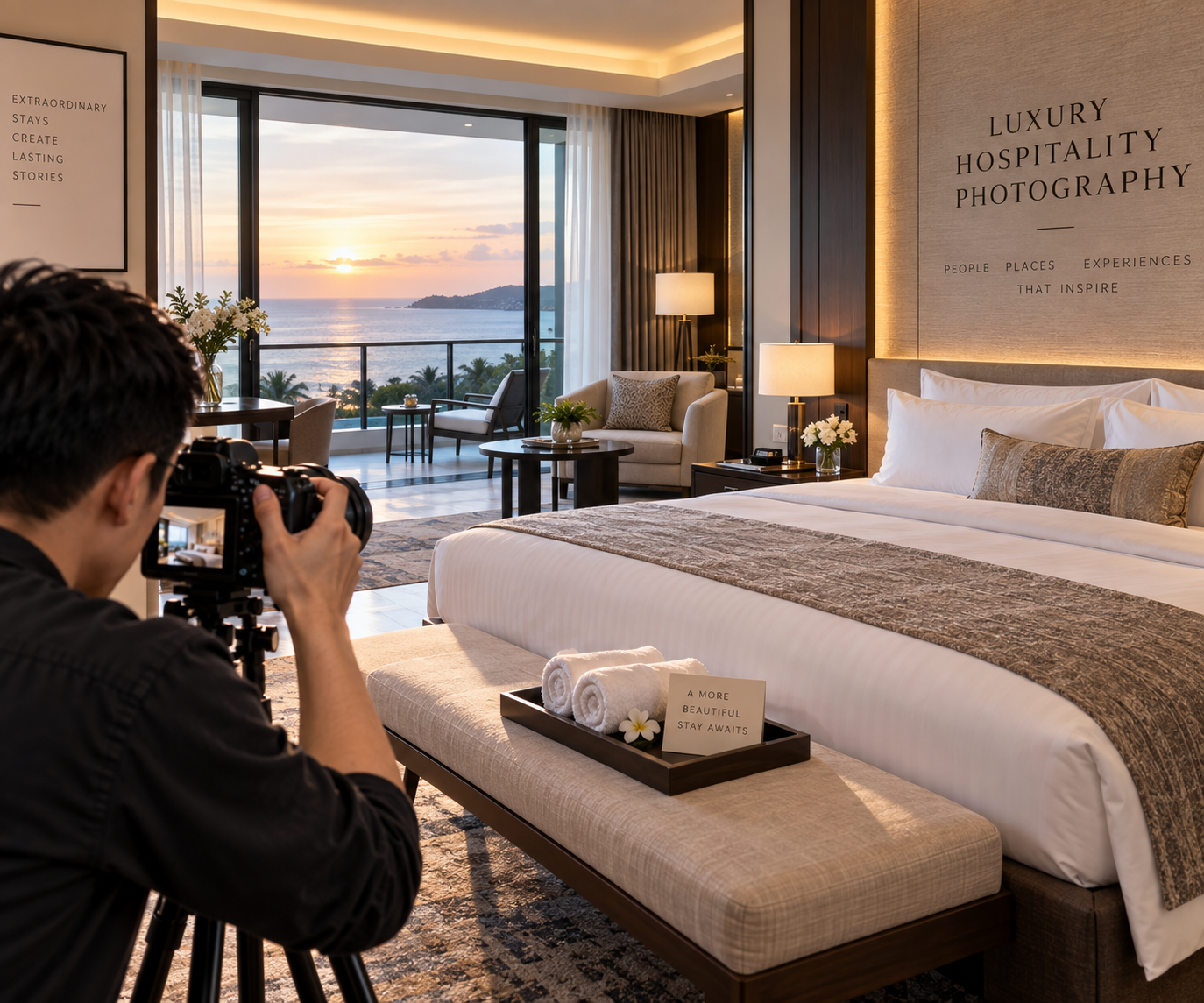
Hotel Photographer: What Hospitality Brands Need From a Commercial Image Library
A beautiful hotel can still struggle to attract attention when its photography does not show the property at its best.
Guests often see your hotel online before they ever arrive. They look at the rooms, lobby, restaurant, pool, amenities, views, and surrounding experience while deciding where to stay. If the images feel outdated, inconsistent, dark, or disconnected from the actual guest experience, your property can lose the opportunity to make a strong first impression.
A professional hotel photographer helps solve that problem by creating polished images that present your property, brand, and guest experience clearly across the channels that matter to your business.
Masterly Visuals provides professional hotel photography for hotels, resorts, hospitality groups, developers, and hotel marketing teams that need high-quality imagery for websites, campaigns, booking channels, press, social media, and other commercial uses.
Why Hotels Need More Than Property Listing Photos
Hotel photography is not simply about documenting rooms.
Your guests are buying an experience.
They want to understand what it feels like to stay at your property. They want to see the atmosphere, design, amenities, dining, service environment, and details that make your hotel different.
This requires a broader visual story rooted in architectural photography that helps bring the space to life.
A professional hotel photographer can create a collection of images that shows the property as a complete experience rather than presenting disconnected photographs of individual spaces.
Guests often see your hotel online before they ever arrive, so your hotel pictures often act as a key decision driver. The right images capture the atmosphere and character of the property, not just the layout. In fact, 87% of travelers consider photos the most important factor when choosing a hotel.
The result can support your marketing team across websites, campaigns, social media, booking content, brochures, press materials, and other guest-facing channels.
Hotel Photography That Supports Direct Bookings
Your website gives your hotel an opportunity to communicate directly with potential guests.
Strong imagery can help visitors understand the property before they decide whether to book.
Unlike real estate photography, which focuses on selling a property and often has a short lifespan after the sale, hotel photography is about showing the stay experience over time.
Room photographs can show design and comfort, and different room types may shape both the shoot plan and how images are used across marketing. Lifestyle images can communicate the guest experience. Restaurant and food images can show dining options. Pool, spa, and amenity photography can help guests understand what is available during their stay.
A professional hotel photographer can create a consistent collection of images for your marketing team, and a specialized hotel photographer understands both hospitality and architectural photography. Those images can support direct campaigns, ota listings, and internal review processes for branded properties.
The goal is to capture the property experience in images with a longer marketing life, not just create sale-style listing photos, while still giving prospective guests useful information about the property.
A Hospitality Photographer Who Understands the Guest Experience
Hotels have many visual elements that need to work together.
A room photograph may need to communicate comfort and design while clearly showing different room types and the property's interiors. A restaurant image may need to communicate atmosphere and dining quality. An exterior image may need to establish the property's setting, often using natural light to make the scene feel more inviting.
A skilled hospitality photographer considers how these images work together as part of the hotel's larger visual identity.
This helps your marketing team create a more consistent presentation across different channels.
Masterly Visuals can plan photography around the property, brand standards, target audience, campaign requirements, and intended uses, including website content, social media, print, and online travel agency listings. High-quality images are essential for OTA listings, and photography influences 60% of booking decisions there. Professional photography can increase click-through rates on OTAs by 63%, and hotels with 20+ high-quality photos see a 136% increase in bookings.
Luxury Hotel Photography Requires Attention to Detail
Luxury properties are often judged by small details.
Lighting, materials, furniture, architecture, room styling, dining presentation, amenities, and the surrounding environment all contribute to the guest experience and overall beauty.
A luxury hotel photographercan create images that pay attention to these details while keeping the overall property story cohesive.
Hotels have many visual elements to photograph well, including rooms, interiors, restaurant spaces, and exterior views for luxury hotels. They also feature challenging reflective surfaces and shifting natural light throughout the day.
A skilled hospitality photographer considers how to adapt the approach to each property, whether the visual standard is closer to Ritz-Carlton consistency or the more expressive feel often associated with Waldorf Astoria, while also staying flexible enough to shoot around guests and changing conditions. Selective human elements can also help potential guests picture themselves in the space.
The objective is not to make the hotel look artificial. It is to present the actual property with the care and visual quality expected from a premium hospitality brand.
Masterly Visuals can work with your team to create photographs that reflect the property's design, atmosphere, and positioning.
Show More Than the Guest Room
Guest rooms are important, but they are only one part of the reason someone chooses a hotel.
Your property may offer:
- Restaurants and bars
- Pools
- Spas
- Fitness facilities
- Meeting spaces
- Event venues
- Outdoor areas, including the beach
- Guest lounges
- Suites
- Views and surrounding landscapes
- Architectural details
- Activities and experiences
A complete photography library can show these elements together to present not just the features of the property, but its beauty as well.
High-end hotel imagery often also requires advanced retouching, prop styling, and at times managing talent.
This gives your marketing team more options when building campaigns and helps prospective guests understand the full experience your property offers.
Create a Consistent Visual Standard Across Your Property
Hospitality brands often have many visual assets created at different times.
One guest room or suite may have been photographed several years ago. A new restaurant may have newer images. The website may use one photography style while social media uses another.
These differences can weaken the overall presentation.
A coordinated photography project provides an opportunity to establish a consistent visual standard.
Lighting, composition, color, image quality, and overall creative direction can be considered across the property, from interiors to outdoor areas such as the pool, gardens, or beach.
Strong staging matters here, especially for interior spaces. Removing visual clutter and moving furniture intentionally can significantly improve the final image.
For hospitality groups with multiple properties, consistency can become even more important.
The images should support the larger brand while allowing each property to retain its own identity, and where relevant that may also mean aligning with brand expectations for flags such as Marriott or Hilton.
Hotel Photography for Marketing Campaigns
A hotel marketing team may need more than standard property images.
Campaigns may require photographs that communicate a specific season, experience, event, package, dining concept, renovation, or new property feature.
These images may appear in:
- Digital advertising
- Social media campaigns
- Email marketing
- Website promotions
- Travel publications
- Press releases
- Brochures
- Sales presentations
- Hospitality campaigns
- Seasonal promotions
Planning photography around these needs can create a more useful collection of campaign-ready assets. When hospitality brands are using assets created at different times, a clear shot list helps keep the work aligned with current campaign goals and overall visual consistency. Branded properties may also need images that match chain standards and internal review requirements, which can affect scope and budget.
Masterly Visuals can work with your marketing team or agency to understand the campaign goals and create photography that fits the creative direction. Licensing and usage rights should be clarified before production so the images can be used as intended.
Food Photography Can Support the Hotel Experience
Dining can be a major part of a hotel's brand.
Restaurants, bars, room service, breakfast, events, and signature dishes can all contribute to the guest experience.
Professional food imagery can complement hotel photography by showing guests what they can expect from the property's dining offerings.
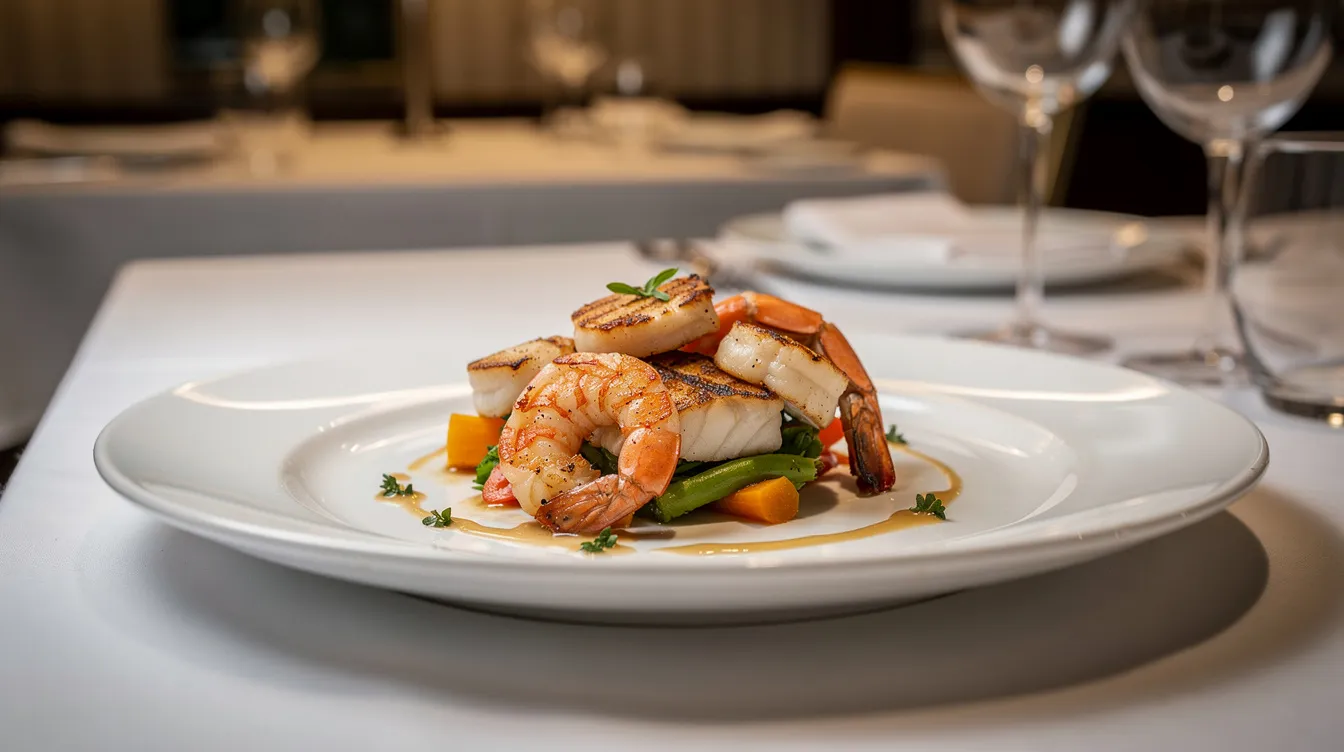
When relevant, Masterly Visuals can coordinate [Food Photography] with a broader hospitality photography project so your marketing team has consistent imagery across the property and its culinary experiences.
This is especially useful for hotels that want to promote both accommodation and dining as part of one guest experience.
Photography for Hotels Under Development or Rebranding
Photography needs can begin before a property is fully established.
Developers and hospitality groups may need professional imagery for a new hotel, renovated property, or rebranded destination.
Once the property is ready for photography, the image library can be planned around the future marketing needs of the hotel.
This may include rooms, public spaces, amenities, dining, architecture, outdoor areas, and other elements that will help introduce the property to potential guests.
Early planning can also help ensure the photography aligns with the brand standards established for the property.
Build a Reusable Hospitality Image Library
Your hotel may need new visual content long after the original photography project ends.
Marketing teams regularly need images for new campaigns, social posts, website updates, press requests, promotions, seasonal materials, and sales communications.
A professional image library gives your team a broader collection to work from. Once the property is ready for photography, shoots should be planned around the best lighting conditions for each area of the property. Exterior and arrival images are often strongest during golden hour for warm, inviting scenes.
Instead of repeatedly searching for a suitable photograph, your team can select from images created specifically for your property.
This makes the photography a long-term marketing resource rather than a one-time website update, with a library that can support launch plans, ongoing marketing needs, and use across the world.
Hotel Photography for Press, Social Media and Sales
Hospitality brands need imagery in many formats, and some campaigns also call for videography or virtual tours.
A press request may require a property photograph. A social campaign may need a vertical image. A sales presentation may need a wide photograph of a meeting space. A website banner may require a different composition.
Planning for these applications can make your photography more useful.
Tell your hotel photographer where the images will be used before production begins. This gives the photography team a better understanding of the required subjects, framing, orientation, and deliverables. This makes the photography a long-term marketing resource that supports stronger booking value rather than a one-time website update. Professional photography has been linked to a 115% increase in revenue per booking.
Masterly Visuals can plan the photography around your commercial requirements and intended image uses.
What to Look for When Hiring a Hotel Photographer
Choosing a hotel photographer should involve more than reviewing attractive property images, so review their hospitality-focused portfolio as well as the finished work itself.
Consider whether the photographer understands hospitality branding and can create a complete visual library rather than focusing only on rooms.
Ask about experience with hospitality spaces, food, architecture, lifestyle imagery, marketing campaigns, team coordination, production schedules, image usage, and travel costs if the shoot involves multiple properties or destinations.
It is also important to discuss your property's brand standards and intended applications before the shoot, including whether you need videography planned into the production.
For some properties, virtual tours should also be scoped early as a separate deliverable.
The right photography plan should make it easier for your marketing team to use the final images across multiple channels, and a clear workflow helps the entire process run more smoothly.
A Done-for-You Hotel Photography Service
Hotel marketing teams already have many responsibilities.
Your photography project should not create unnecessary work, and reviewing a photographer’s portfolio helps confirm a hospitality-relevant style and consistent execution.
Masterly Visuals handles the photography production while working with your team to understand the property, brand direction, schedule, image requirements, and intended uses.
The project can include planning, photography, post-production, and delivery based on the needs of your property.
Whether you are updating an established hotel, launching a new resort, renovating a property, or building a larger hospitality image library, the photography can be planned around your commercial goals. Ask about experience, professional equipment such as high-resolution cameras and specialized lenses for architecture, and practical planning items like travel costs.
Clarify licensing and usage rights before hiring.
The result is a collection of professional images your team can use to communicate the property consistently and effectively, with a polished final product and a photographer who explains the entire process clearly, including planning, production, and delivery.
Why Choose Masterly Visuals for Hotel Photography?
Masterly Visuals provides hospitality and hotel photography for properties and businesses that need professional commercial imagery.
The service can support hotels, resorts, hospitality groups, developers, and hotel marketing teams, including work as a resort photographer for properties in San Diego, across Florida, throughout the Caribbean, and internationally.
Masterly Visuals manages the entire process, from planning and photography through post-production and delivery, for independent properties as well as brand-standard work associated with Marriott and Hilton, whether the project is in a resort area or a major city.
Photography can be planned around rooms, architecture, amenities, dining, guest experiences, public spaces, campaigns, and other elements that contribute to the property's visual identity, resulting in a final product your team can use consistently across channels.
For broader commercial photography needs, explore [Commercial Photography Services]. When you are ready to discuss your property and photography requirements, use the [Masterly Visuals inquiry path].
Frequently Asked Questions About Hiring a Hotel Photographer
What does a hotel photographer do?
A hotel photographer creates professional images of hotels, resorts, rooms, amenities, dining spaces, architecture, and guest experiences for commercial marketing and communications.
Why should a hotel hire a professional photographer?
Professional hotel photography creates polished and consistent images that can support websites, booking content, campaigns, social media, press, sales materials, and other marketing needs.
What is hotel photography?
Hotel photography is commercial photography created to visually represent a hotel or resort, including its rooms, public spaces, amenities, dining, architecture, and guest experience.
What does a hospitality photographer photograph?
A hospitality photographer can photograph guest rooms, restaurants, amenities, architecture, public spaces, events, lifestyle scenes, suites, and other interiors across a hospitality property; unlike real estate photography, which focuses on selling a property and uses images with a short lifespan after the sale, hotel photography is created for ongoing marketing.
What is a luxury hotel photographer?
A luxury hotel photographer specializes in creating polished imagery that reflects the design, atmosphere, details, and guest experience associated with premium hospitality properties, including interiors and suites, while capturing the beauty that defines a high-end stay.
Can hotel photography help with bookings?
Professional photography can give potential guests a clearer view of the property and its experience across booking and marketing channels, including OTA listings. For luxury properties, it may also involve advanced retouching, prop styling, and talent coordination to preserve the beauty of the space.
Can you photograph an entire hotel?
Yes. A photography project can be planned around the rooms, amenities, dining, public spaces, architecture, outdoor areas, different room types, and other important features of the property. Photography influences 60% of booking decisions on OTA listings.
Can hotel photography include restaurants and food?
Yes. Hotel photography projects can include dining spaces and experiences. Food photography can also be coordinated when the property needs dedicated images of its menu or culinary offerings.
Can you photograph a resort?
Yes. Resort photography can include accommodations, pools, restaurants, amenities, landscapes, architecture, activities, and guest experiences.
Can hotel photography support marketing campaigns?
Yes. Hotel photography can provide images for digital campaigns, social media, email marketing, websites, advertising, press, brochures, and other promotional materials. As a resort photographer, I can also cover accommodations, amenities, landscapes, and beach areas where applicable. We can build a tailored shot list around your marketing goals so each image is planned for the right use, whether that’s your website, OTA listings, or a specific campaign.
Can a hotel photography project create a reusable image library?
Yes. The photography can be planned around multiple future marketing uses so the property has a broader collection of professional images. Campaign shoots are usually planned from a shot list tied to the promotion’s goals and placements, helping shape the final product.
Can Masterly Visuals work with a hotel marketing team?
Yes. Masterly Visuals can work with hotel marketing teams, agencies, developers, and hospitality groups to plan photography around brand standards and commercial requirements, managing the entire process from planning through delivery so the final product is a polished library ready for future marketing use.
How do I hire a hotel photographer?
Contact Masterly Visuals with your property details, photography needs, intended uses, timeline, and budget. The team can discuss the project, outline travel costs upfront, coordinate with your hotel marketing team throughout the process, and recommend an appropriate photography scope. You can also review the hotel photographer portfolio to assess fit before moving ahead.
Request a hotel photography consultation.
Your property has an experience worth showing.
Professional hotel photography gives your marketing team the visual assets needed to present your rooms, amenities, dining, design, and guest experience across websites, campaigns, press, social media, and other commercial channels. We can also coordinate videography for virtual tours, promotional content, and brand-aligned property storytelling.
If you are looking to hire a hotel photographer, hospitality photographer, or luxury hotel photographer, Masterly Visuals can plan a professional photography project around your property and brand. When you reach out, share your budget, timeline, and any expected travel costs so the scope is clear from the start. Before approving the project, review the photographer’s portfolio and confirm licensing and usage rights.
Masterly Visuals
Phone: (404) 726-7261
Website: https://www.masterlyvisuals.com/
People, Lifestyle, and Brand Personality: Hospitality Photography That Feels Real
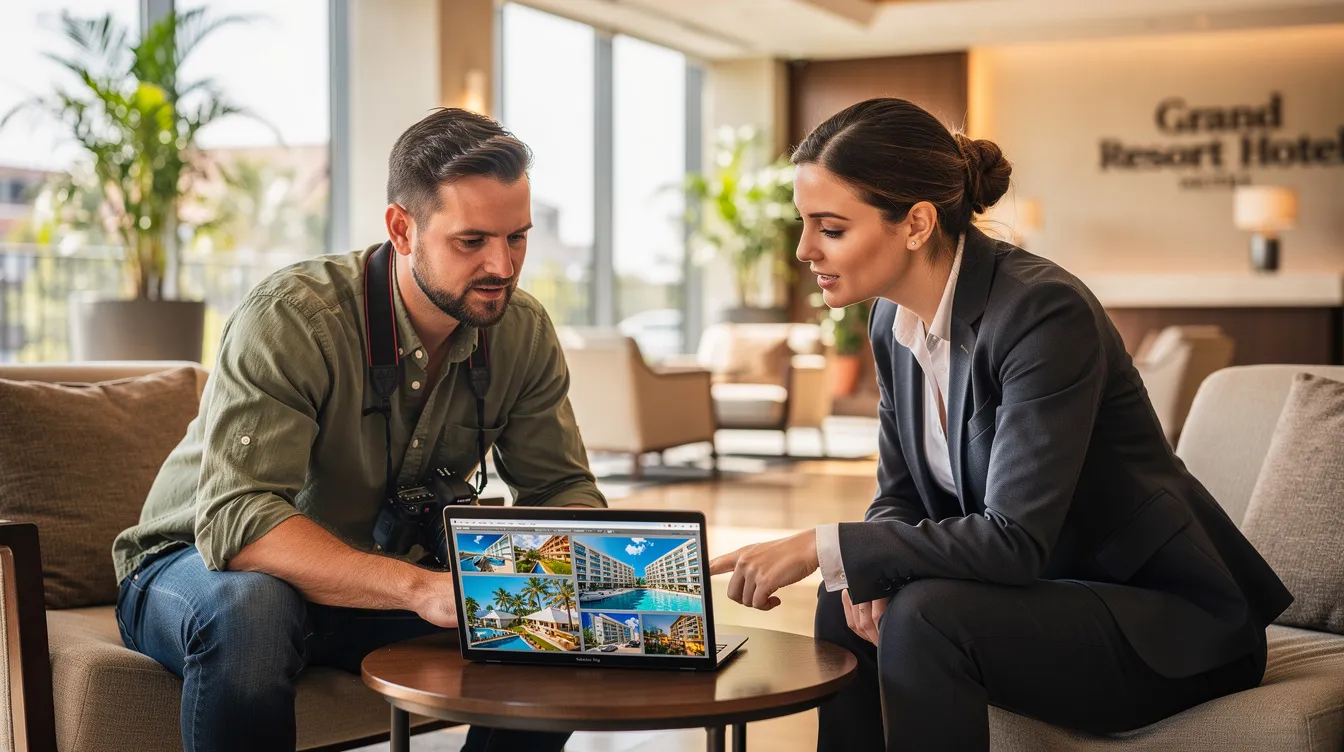
Lifestyle hospitality photography puts people into the frame: arrival scenes, concierge interactions, spa treatments, pool time, cocktails, and group events. Professional hotel photography captures the unique atmosphere of each property, and great hotel photography captures the specific identity of a property through these human moments.
A hospitality photographer must balance authenticity with brand control. Use professional talent or well-briefed staff, ensure diverse casting, and direct scenarios that still feel natural rather than staged. Creating consistency in image collection is important for branding across all channels.
Concrete examples that work:
- A couple arriving at a resort with luggage at golden hour
- A family at a lazy river in Orlando with genuine expressions
- A small group working in a lobby co-working space at a city hotel
- A wedding setup in a ballroom with a styled couple and floral detail
Permissions matter: avoid recognizable faces of unconsented guests, coordinate with HR for staff usage rights, and plan wardrobe to match brand guidelines. Capture both hero lifestyle frames and subtle background moments that add life to amenity and public spaces images.
Meetings, Events, and Groups: Visual Assets for Sales and RFPs
Meeting and event photography is a critical but often under-planned part of hotel photography, especially for urban conference hotels and resorts with significant group business. Hospitality photography blends architecture and commercial photography in these spaces, and architectural expertise is essential for hotel photographers working in large ballrooms, breakout rooms, and pre-function areas.
Capture these setups and scenarios:
- Empty configurations: Classroom, theater, U-shape, rounds-each tells a capacity story
- Styled social events: Weddings, galas, and receptions with decor and lighting
- Technology details: AV equipment, hybrid-meeting setups, in-room screens
- Pre-function and breakout spaces: Coffee stations, registration areas, networking zones
- Destination backdrops: An outdoor terrace reception at a Caribbean resort or a boardroom in New York with city views
These images fuel proposals, digital sales kits, CVENT profiles, and corporate presentations, often reused for three to five years when executed well.
Destination and Context: Resort Photography That Sells a Sense of Place
Resort photography and destination-focused hotels sell the surrounding environment as part of the product-beaches in Mexico, ski slopes in Colorado, neighborhoods in a world-class city like York or beyond.
A strong commercial image library should include context images: sunrise over the water, nearby historic streets, skyline views, access to trails or marinas. Look for portfolios that capture a specific property's character alongside its setting.
- Day and night contrasts: The same Caribbean beach at noon and under stars
- Seasonal planning: Autumn foliage for a New England inn, fresh snow for a ski resort
- Proximity honesty: Only photograph views guests will actually see from rooms, the rooftop, or a short walk
- Local partnerships: A hospitality photographer may coordinate with local tourism boards when destination imagery benefits both parties
Workflow With a Hotel Photographer: From Pre-Production to Delivery
Working with a professional photographer follows a clear sequence: discovery call, property audit, scope definition, pre-production planning, shoot schedule, production days, and post-production. Walkthroughs before shooting align expectations regarding key features, and photographers should manage on-site staging effectively during shoots.
Clear communication enhances alignment on angles and aesthetics throughout the process. Plan several weeks in advance for a full-property shoot, and consider shooting during shoulder periods to reduce guest disruption.
Key workflow steps to prepare for:
- Assign a single point of contact from your marketing or sales team
- Brief revenue management on which room categories to prioritize
- Coordinate housekeeping for room turnover and staging schedules
- Schedule F&B shoots around kitchen prep and service windows
- Plan for weather contingencies on exterior and destination shoots
- Post-production should enhance the image without significantly altering reality
- Excellent post-production includes color consistency and distraction removal
- Professional photographers should deliver consistent commercial-grade image files
- Reliable photographers meet deadlines and provide high-resolution images in web and print formats
How to Evaluate and Choose the Right Hotel Photographer
Specialist photographers understand the commercial context of hotel photography in ways that generalists cannot replicate. A quality specialist adapts their approach to each property, whether it's a boutique hotel in a historic city or a 500-room convention resort.
Use this evaluation checklist when shortlisting candidates:
- Does their portfolio show consistent quality across rooms, amenities, food and beverage, lifestyle, and destination-not just one impressive hero shot?
- Have they photographed properties similar to yours in brand level, size, and environment (urban vs. resort)?
- Do their images feel authentic and on-brand for your segment?
- Do they show both day and night work, including golden hour and blue hour examples?
- Specialist hotel photographers understand brand standards and marketing needs-can they demonstrate past work within guidelines from groups like Marriott, Hilton, or Ritz Carlton?
- Hospitality industry experience helps photographers shoot efficiently without disruption to guest operations
- Can they provide client references and demonstrate on-time delivery history?
- Do they have a career track record in hospitality rather than rare one-off hotel assignments?
Next Steps: Building Your Commercial Image Library With a Hospitality Photographer
Hotels and resorts that approach photography as a strategic commercial image library project-not a one-day photo shoot-build a visual identity that supports revenue, marketing, and brand positioning for years. The right hospitality photographer will help you define scope across room photography, amenity photography, food and beverage photography, meetings, lifestyle, and destination context before anyone presses the shutter. That plan creates value far beyond any single image.
Request a hospitality photography consultation for your hotel, resort, or branded property. A consultation will walk through your current visuals, identify gaps in your collection, and create a proposed image plan built around your revenue priorities and brand vision.
Hotel Photographer FAQ
How far in advance should we schedule a hotel photography shoot? Plan at least four to six weeks ahead for a full-property shoot. Larger resorts or properties undergoing renovation may need longer lead times to coordinate housekeeping, F&B, and operations teams.
How many production days does a full-property shoot take? A 150- to 300-room hotel with multiple amenities and restaurants typically requires two to four production days, depending on scope, lifestyle talent, and weather-dependent exterior shots.
What staff preparation is needed before the shoot? Housekeeping should stage rooms to brand standard. F&B teams should prepare signature dishes. A property contact should be available on-site throughout. Hotels should discuss the budget and plan with all department directors in advance.
How do we handle guests who appear in photos? Avoid photographing recognizable faces of unconsented guests. Use professional talent or well-briefed staff as models. Any person identifiable in final photographs requires a signed release.
What is the difference between hotel photography and real estate photography? Real estate photography focuses on selling a property, and those images have a short lifespan after sale. Architectural photography aims to sell an experience, and architectural images serve a brand for years across platforms. Hotel photography lives in the hospitality space, blending both disciplines with lifestyle and commercial storytelling.
How does a hospitality photographer work with brand standards? Specialist photographers review brand guidelines from groups like Marriott, Hilton, or independent collections before the shoot. They match required compositions, color temperatures, and image specifications so deliverables pass brand review without costly reshoots.
How often should a hotel refresh its image library? Every three to five years at minimum, or immediately after a renovation, rebrand, or major amenity change. Properties with strong seasonal variation may benefit from updating select images more frequently to keep marketing fresh and authentic.
What does "commercial image library" usage typically cover? Licensing and image usage rights are important aspects to clarify before any contract is signed. Typical usage covers your website, OTA listings, social media, email, print collateral, and sales materials. Scope, duration, and exclusivity should be defined in writing so both parties understand how images can be distributed.
Recent Posts