A product can look perfect in a clean studio image and still leave customers wondering how it fits into real life. A bottle on a white background shows the packaging. A chair photographed from one angle shows the design. A skincare product displayed alone shows the product itself. But those images may not show how the product feels, where it belongs, or why someone would want it.
That is where
lifestyle product photography becomes valuable.
For consumer brands, ecommerce companies, and marketing teams, product photography often needs to do two jobs. It must clearly present the product for ecommerce and catalog use while also giving customers a sense of how the product fits into everyday life.
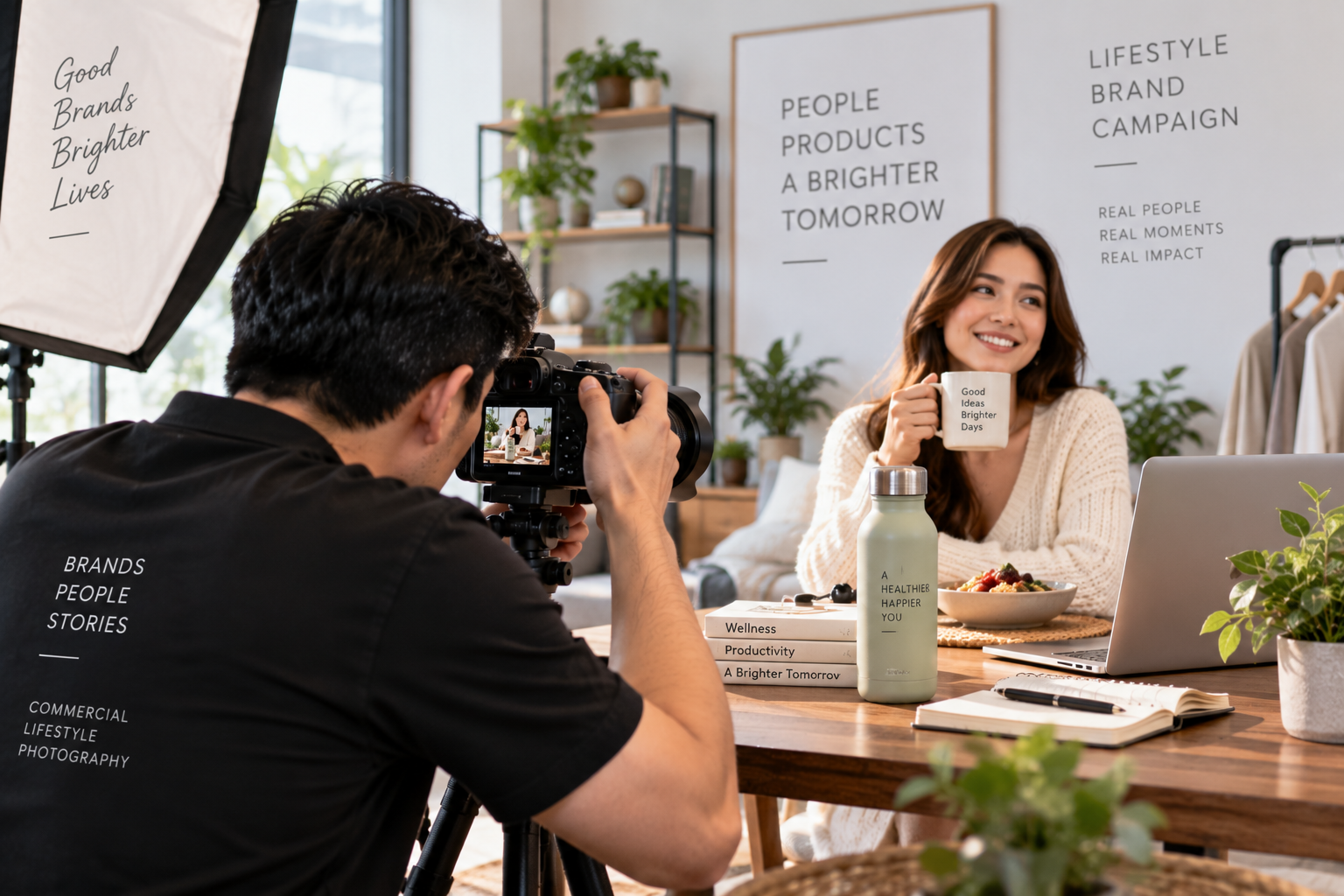
Masterly Visuals creates professional lifestyle product photography for brands that need both product-focused imagery and campaign-ready visuals. Our approach brings products into real-world settings through carefully planned scenes, locations, people, styling, and brand direction.
Why Lifestyle Product Photography Matters for Your Brand
Customers want to understand more than what a product looks like. They want to picture themselves using it.
A lifestyle image can show a product in a home, office, kitchen, outdoor setting, retail environment, or other space that fits the brand. It can show scale, function, mood, and context in a way a standard catalog image may not.
This makes product lifestyle photography especially useful for brands selling products where experience and emotion influence the purchase decision.
A strong lifestyle image can help communicate the way a product fits into a customer's day and support the brand's story through visual storytelling that helps connect with the audience and build an emotional connection. It can make a campaign feel more relatable while showing product benefits, and stronger engagement can support conversions across websites, social media, advertising, email, and other channels.
The key is making sure the lifestyle scene still feels like your brand.
Combine Standard Product Images With Lifestyle Scenes
Lifestyle photography should not replace clean product imagery when shoppers need to inspect the product itself.
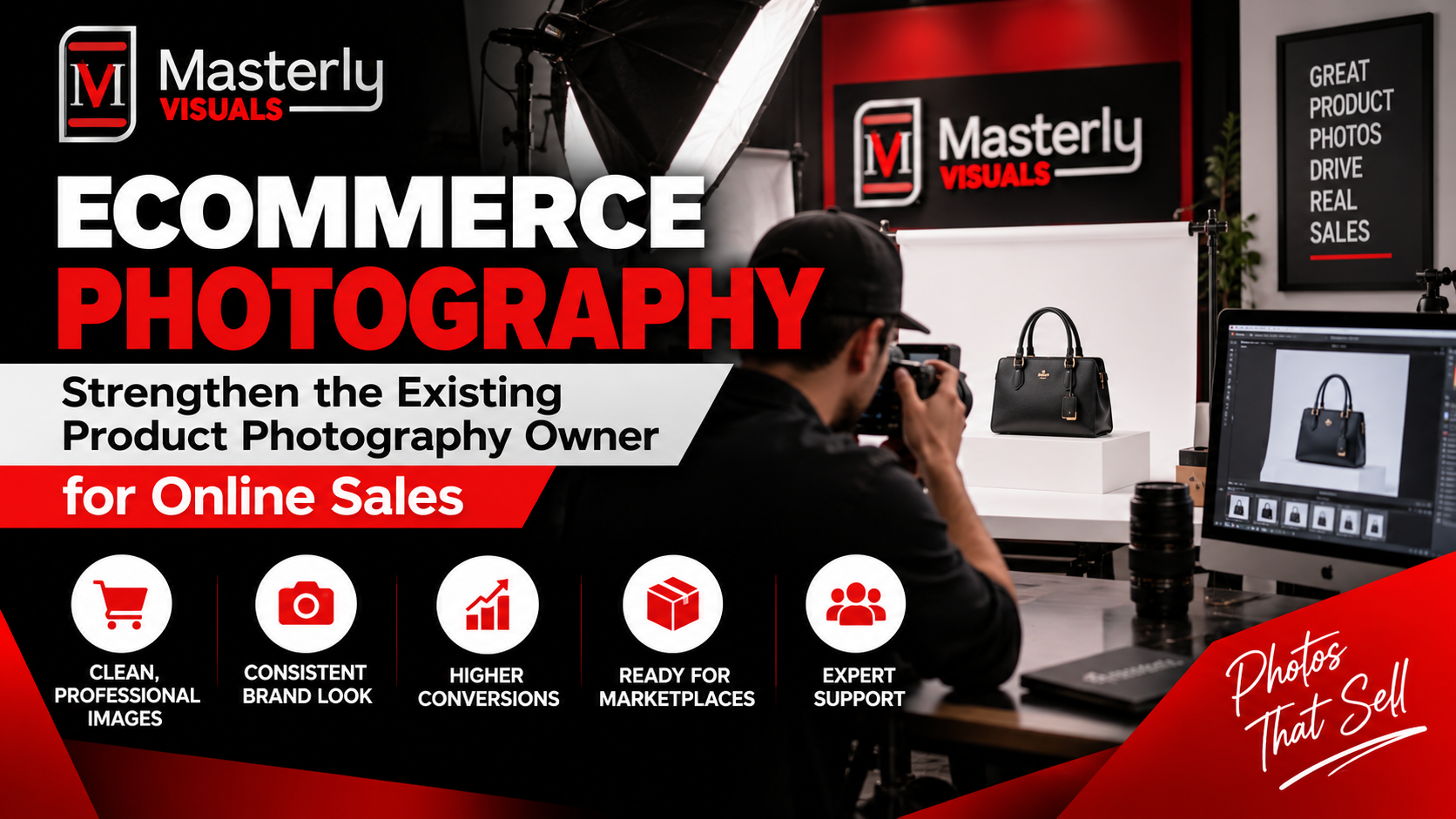
Standard product images are useful for showing shape, packaging, color, features, and details. Lifestyle images add context.
Together, they can create a more complete visual experience.
For ecommerce companies, a product page may use clean product views alongside lifestyle images. A campaign may focus more heavily on people and environments while still using product-focused images in supporting materials.
This combination gives your team flexibility.
Masterly Visuals can plan photography around both sides of the project so the final image collection is useful for ecommerce needs while also supporting broader marketing and campaign goals.
Product-in-Use Photography Makes the Product Easier to Understand
Some products are easier to understand when customers see them being used.
Product-in-use photography can show how a product works in context, how large it is, and how it is handled in ways that communicate size and function so customers can picture it in their own lives, or what kind of experience it is designed to provide.
This can be especially useful for consumer products, food and beverage brands, home goods, personal care products, technology accessories, fitness products, fashion items, and other products that are connected to a lifestyle.
The image should still keep the product clear, with the product remaining the focal point in each shot.
The setting, models, props, wardrobe, and action should support the product rather than compete with it. A professional production team can help balance the visual story with the commercial purpose of the image.
Casting and People Should Match the Brand
When people appear in a lifestyle campaign, casting becomes part of the visual strategy.
The people in the images should feel appropriate for the product and the audience. Their appearance, clothing, expressions, and interactions should feel casual and natural while supporting the tone of the brand, and the model's face does not always need to be fully shown when the product should remain the focus.
A consumer brand may want images that feel warm and approachable. A premium brand may need a more refined visual style. A wellness
company may want a clean and natural atmosphere.
Professional commercial lifestyle photography allows these decisions to be considered together rather than leaving them to chance.
Masterly Visuals can help shape the photography around the intended audience, product positioning, campaign message, and brand standards.
Location Choices Can Change the Entire Image
The location is more than a background.
It can help communicate where the product belongs and what kind of experience the customer should associate with it.
A kitchen can make a food product feel practical and familiar. A modern office can support a business-focused product. An outdoor setting can help position a product around travel, recreation, or wellness.
The right location should fit the product and the campaign.
That may mean using a controlled studio environment, a selected commercial location, or another setting that supports your creative direction. During location scouting, the team also considers light conditions, since some campaigns use natural lighting to create even lighting, while direct sun can cause harsh shadows. The important part is that the location feels intentional.
Masterly Visuals can help develop the visual direction around the type of setting your product needs.
Keep Lifestyle Images Consistent With Your Brand
A lifestyle campaign can be creative without becoming disconnected from the rest of your visual identity, because consistency helps reinforce your brand identity.
Your photography should still work alongside your website, packaging, ecommerce images, advertising, social media, and other marketing materials.
This means paying attention to lighting, color, composition, styling, wardrobe, props, backgrounds, set decoration, and overall tone, with colors and set decoration aligned to your brand voice.
Consistency becomes even more important for brands with multiple product lines or recurring campaigns. A recognizable photography style can help customers identify your content across different platforms when you stick to a clear creative vision across campaigns.
Professional lifestyle product photography gives your team an opportunity to establish that consistency from the beginning.
Plan Images Around Campaign and Ecommerce Needs
One of the biggest advantages of a combined product and lifestyle shoot is efficiency.
Instead of producing one project for product listings and another for campaign content, brands can plan a photography session around both needs through a clear process for defining the concept and deliverables.
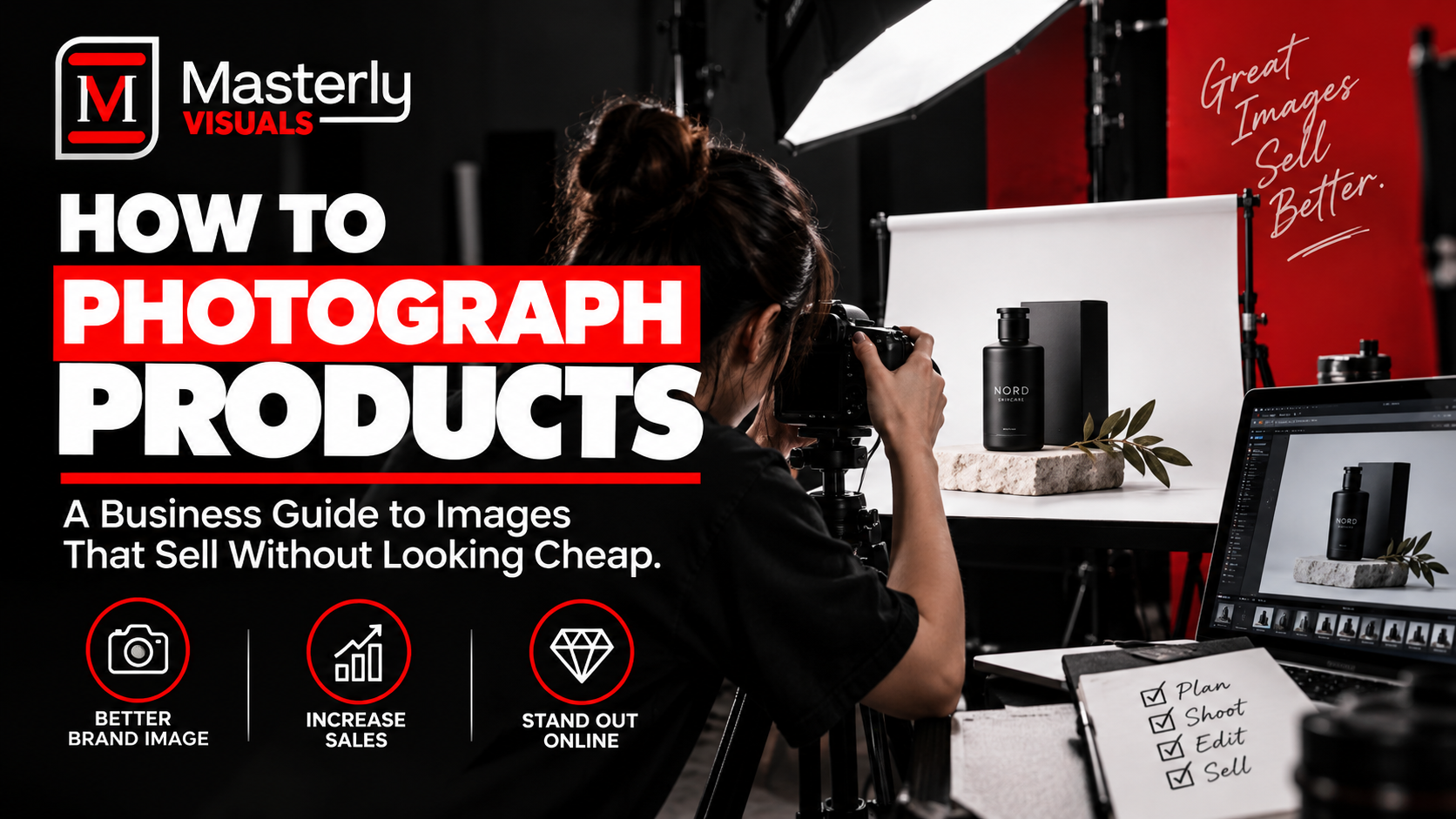
For example, a product may need clean individual images for ecommerce, detailed views for product pages, and lifestyle scenes for a seasonal campaign. A well-thought-out shot list helps guide the shoot around ecommerce assets, campaign scenes, and supporting product views so all of those assets can be considered when planning the production.
This creates a more useful image library.
Your ecommerce team gets product-focused assets. Your marketing team gets campaign imagery. Your creative team gets visual content that can be adapted across multiple channels.
Masterly Visuals can help define the photography scope around those intended uses before production begins, which helps the team deliver stronger final photos.
Create Images for More Than One Marketing Channel
Professional lifestyle photography can support many parts of a marketing program across channels and help boost engagement and conversions.
Depending on the project, your images may be used for:
Ecommerce product pages
Website banners
social media posts
Paid advertising
Email campaigns
Catalogs
Retail materials
Product launches
Seasonal campaigns
Brand websites
Sales presentations
Packaging and promotional materials
Having images that can serve multiple purposes helps your brand get more value from the photography investment, and some brands also pair campaign imagery with user-generated content when they want more authentic supporting visuals from real customers or creators.
The objective is not simply to produce attractive images. It is to create commercial assets that your team can actually use.
Why Professional Lifestyle Product Photography Is Worth the Investment
A product image influences how customers see the product and the company behind it.
When the lighting is inconsistent, the product is difficult to see, the styling feels unrelated to the brand, or the scene looks improvised, the photography can weaken the message.
Professional photography provides control over the details that shape the final result, including through post production.
That includes the product itself, the location, the people, the styling, the lighting, the composition, the intended use of each image, and the extra effort involved in lifestyle production compared with a basic product shoot, as well as enhancing images after the shoot while retaining natural colors across the set.
For a brand investing in a launch or campaign, those details matter because the photographs may appear across many customer touchpoints.
Masterly Visuals for Commercial Lifestyle Photography
Masterly Visuals helps consumer brands, ecommerce companies, and marketing teams with
capturing lifestyle shots that connect product
presentation with real-world context.
Our commercial lifestyle photography services can be structured around your products, campaign goals, target audience, and content needs.
Whether you need product-in-use images for a new collection, lifestyle scenes to support an ecommerce launch, or a larger campaign image library, the production can be planned around your brand to build a meaningful moment in a real-life setting.
We can also combine lifestyle imagery with standard product photography so your team receives a more complete set of visual assets.
The goal is to create images that showcase the product naturally while staying polished and commercially useful.